


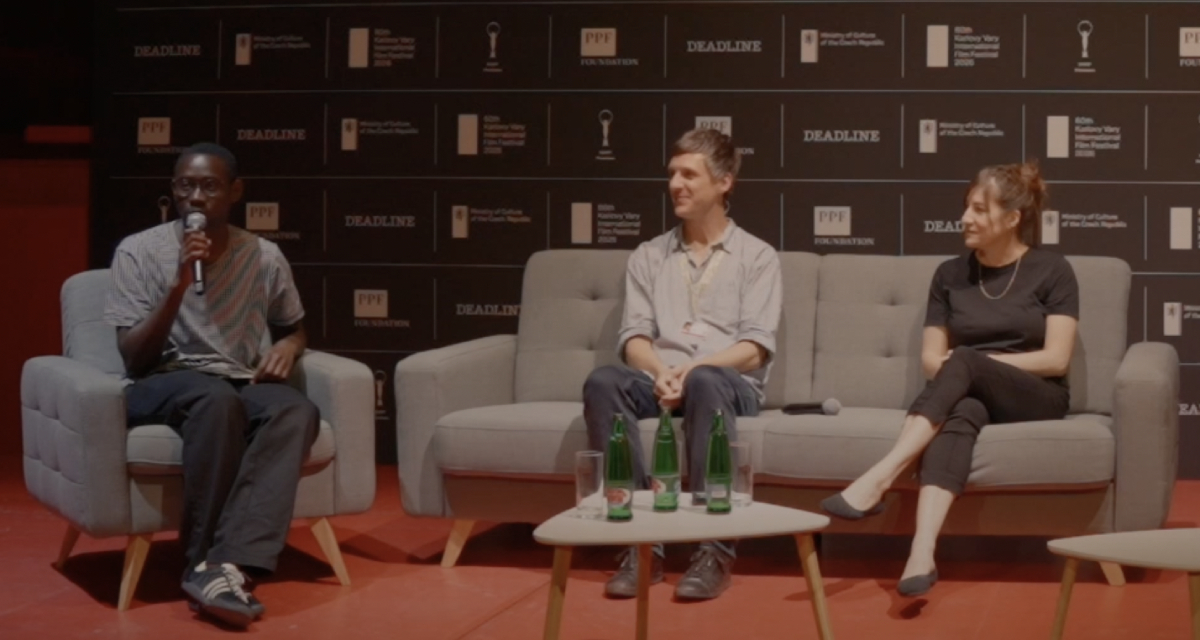
A panel at Karlovy Vary examined the need to begin the marketing conversation at the earliest possible stage… even before production begins.
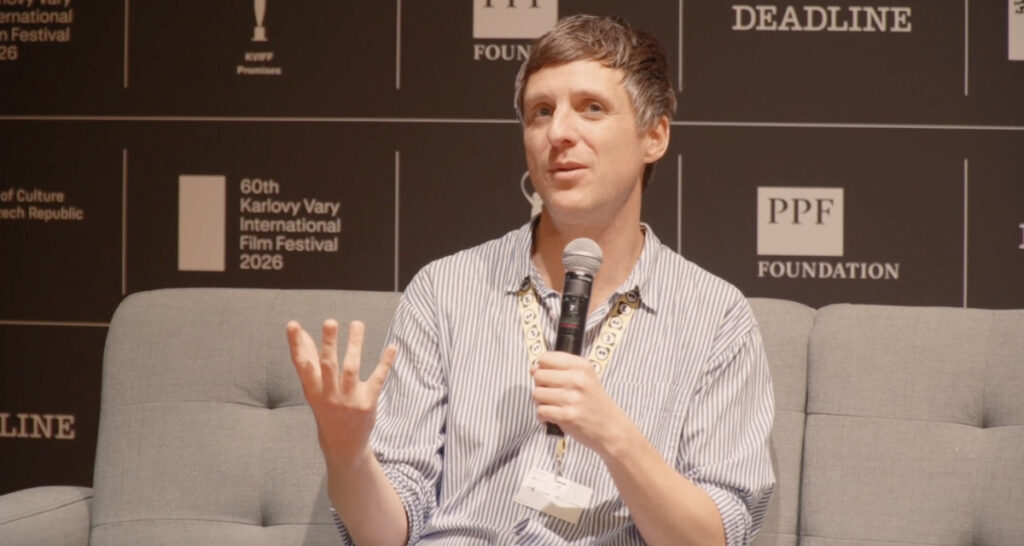
At Karlovy Vary’s Industry program (July 5-9), a sharp conversation held on July 6 on audience strategy argued that independent films can no longer afford to treat marketing as something that begins after distribution. Moderated by Deadline’s Zac Ntim, the panel, titled “Audience First: Rethinking Film Marketing Before Distribution,” brought together producer Mollye Asher, whose credits include Chloé Zhao’s “Songs My Brothers Taught Me,” “The Rider” and Oscar-winner “Nomadland,” and Mathias Noschis, founder and head of strategy at European film marketing agency Alphapanda.
Asher said her approach to picking projects has changed over time, with the marketability an increasingly important factor. Earlier in her career, the key questions were whether she liked the filmmaker and the script. Now, she also considers whether there is an audience for a project, and whether the market wants it. “I do not necessarily always follow that,” she said, noting that instinct still matters, “but it is something I take into account, because it will also affect the financing of a project.”
Noschis argued that the best time to begin serious marketing work is not after a film is finished, but just before shooting. While producers can start thinking about audiences at the financing stage, too much can still change. Three or four months before production, once the script is close to final, is the ideal moment, he said, because teams can plan stills, interviews, social formats and festival positioning before everyone is consumed by the shoot.
The recommendation, however, also points to a growing pressure on independent producers: marketing is being pushed earlier into the production cycle, even as many teams are still struggling to close financing, secure cast and manage basic production logistics.
Creating Buzz, Prompting Debate
For Noschis, buzz is not something that can simply be manufactured after the fact. At festivals, it already exists in conversations between people asking what they have seen and what is worth catching. Alphapanda’s job, he said, is often to bring those conversations online, so that people beyond the festival can feel part of the momentum.
He cited Golden Bear winner “Yellow Letters” as a case where the campaign anticipated a wider discussion around politics and freedom of speech. By inviting people already active in that debate to engage with the film, the campaign was able to enter a conversation that was already happening. “Online you can never control everything,” Noschis said, “but up to a certain point, we were able to guide the conversation.”
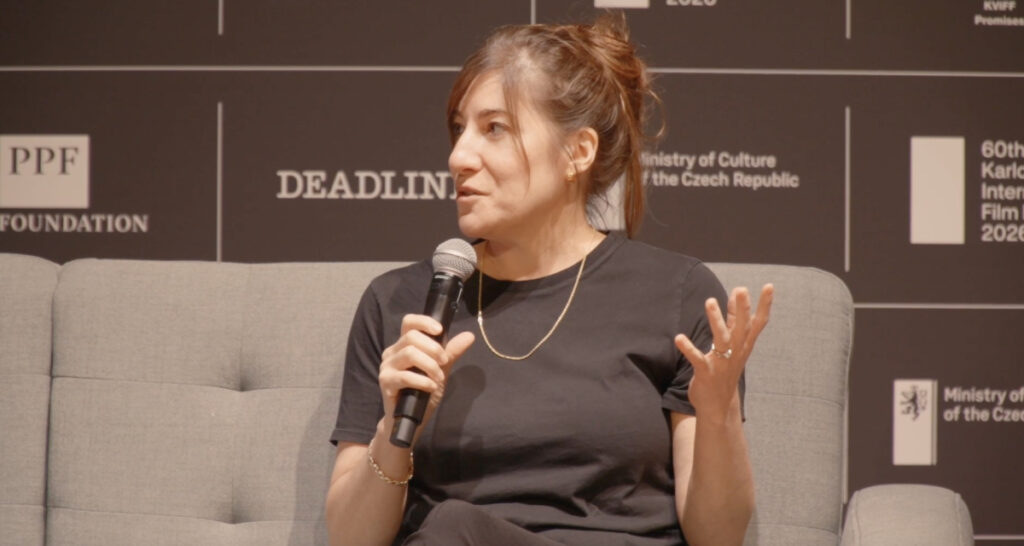
Asher pointed to “Swallow,” which opened just as the pandemic hit, as an example of audience pockets becoming unexpectedly powerful. The film’s themes of female agency and confinement helped it travel online, while partnerships with Planned Parenthood and coverage in Architectural Digest gave it additional routes to visibility. With “Nomadland,” she said, she saw even more clearly how small audience clusters can help build wider awareness.
Partnerships, Timing and Visual Assets
The panel also tackled brand partnerships, still more common in the US than in Europe. Asher said she is currently exploring brands that are already organic to a project, partly for financing reasons but also for broader collaboration. Noschis warned, however, that any partnership must fit the film’s identity. “There is nothing worse, in terms of image, than a misfit,” he said.
That identity work, he suggested, starts with a simple exercise: imagine the film as a person. Is it a 15-year-old skater, or a 70-year-old woman who drinks coffee? From there, producers can ask which brands, influencers or communities genuinely match the film’s personality.
Timing was another major concern. Noschis warned that filmmakers can damage a project by going online too early and revealing too much about its progress. If a film has spent months or even years chasing a festival slot, the industry may start to perceive it as old. “This industry likes fresh meat every month,” he said. Materials should be created early, but not necessarily published early.
Asher agreed, adding that a press announcement only helps if there is a clear call to action, such as a market or financing push. Holding back images can also allow a team to choose the right trade publication for a first look and shape the public perception of the film.
Noschis was blunt about one practical requirement: hire a still photographer. “Get a still photographer to take proper stills, not screenshots,” he said. He added that poster designers need character portraits and images that actually communicate the tone of the film. Too often, he said, comedies arrive with no images that look funny.
In that sense, the discussion made clear that “audience first” is not just a strategic mindset, but a cost line. For smaller productions, the challenge is not only knowing what materials should be created, but finding the resources to create them properly before a distributor or sales agent is fully on board.
Old Gatekeepers Still Matter
The discussion also returned repeatedly to the enduring power of trade reviews. Noschis said buyers still rely heavily on a handful of major trades – Screen International, Variety, The Hollywood Reporter and Deadline – even as the media landscape has fragmented. “Reviews are still extremely important,” he said, but relying only on them is dangerous. He cited Irish coming-of-age drama “The Quiet Girl,” which initially struggled to secure reviews out of Berlin’s Generation section, but built visibility through social media, later growing into an Oscar-nominated success.
That tension was one of the panel’s most revealing points: while marketing channels are fragmenting across social media, influencers and niche communities, the industry’s core validation mechanisms remain strikingly concentrated around a small number of festivals and trade publications.
For “The Quiet Girl,” Alphapanda initially leaned into the film’s Irish-language identity as its unique selling point. Later, for the United Kingdom, United States and Oscar campaigns, that element was downplayed in favor of reviews and festival selections, showing how positioning can change throughout a film’s life.
Asked whether festivals still matter, both speakers were clear. Asher said most of her films have depended on festivals to attract distributors, audiences and reviews. Noschis described festivals as essential labels of reputation. For an acquisitions executive with limited time, a festival selection signals that a film is worth watching.
His broader message to producers was direct: thinking about marketing does not mean surrendering the film to commerce. It means being able to speak to sales agents and distributors at eye level. “Trust the people you work with and be ready to lose,” he said, “but have ideas yourself, because that is what starts the conversation.”

- Nordic Cinema Doesn’t Have an Export Problem. It Has a Conversion Problem - September 16, 2026
- Young Audiences Already Like Cinema. The Hard Part Is Giving Them a Reason to Go - August 31, 2026
- At Locarno, Restored Films Face Their Next Challenge: Finding an Audience - August 20, 2026