


Research across five European markets presented during CineEurope found that younger audiences attend frequently and buy concessions at high rates, but they expect convenience, variety and an experience worth sharing.
For years, Gen Z offered the cinema business a convenient explanation for almost any troubling audience trend. Raised on smartphones, streaming services and social media, the first truly digital generation supposedly had little interest in sitting through a two-hour film inside a darkened auditorium. Research presented at CineEurope 2026 suggested almost the opposite: across five European markets, Gen Z reported higher cinema attendance than the general population and ranked among the most frequent moviegoers.
The difficulty, it turns out, is not convincing Gen Z that cinema has value. It is making sure every outing delivers enough of it. Younger audiences appear willing to spend on moviegoing and its accompanying food and beverages, but they evaluate the entire visit – not simply the film – against the cost, time and effort involved. Exclusive content, immersion and communal experience can bring them through the door. High prices, long queues, limited choice and an otherwise unremarkable outing can just as easily persuade them to do something else.
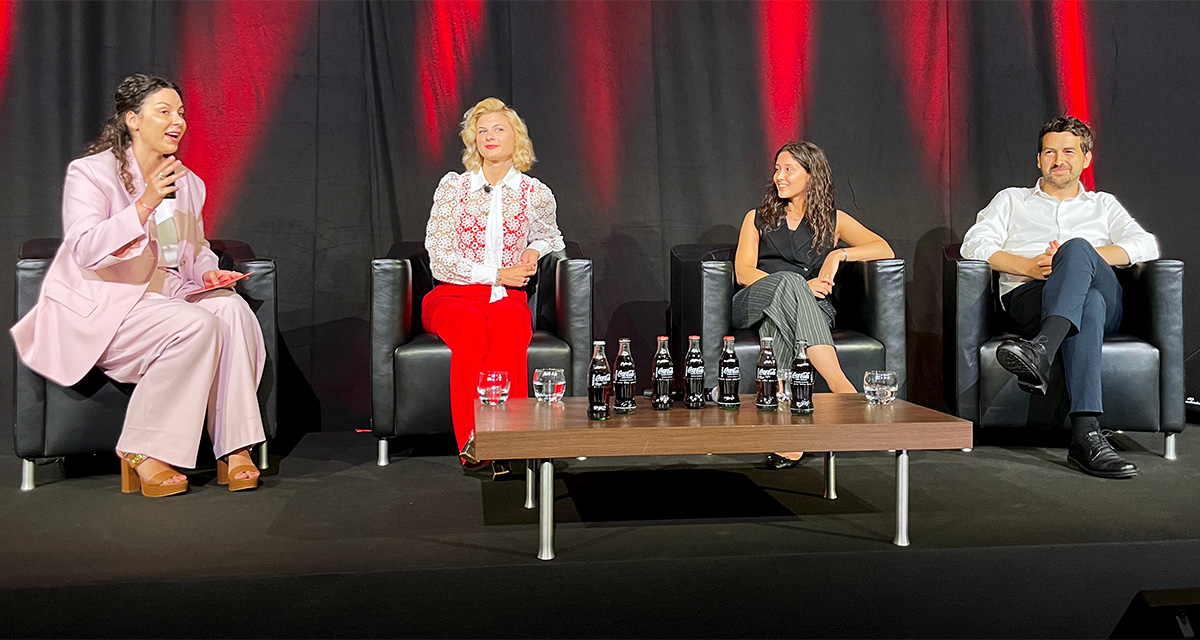
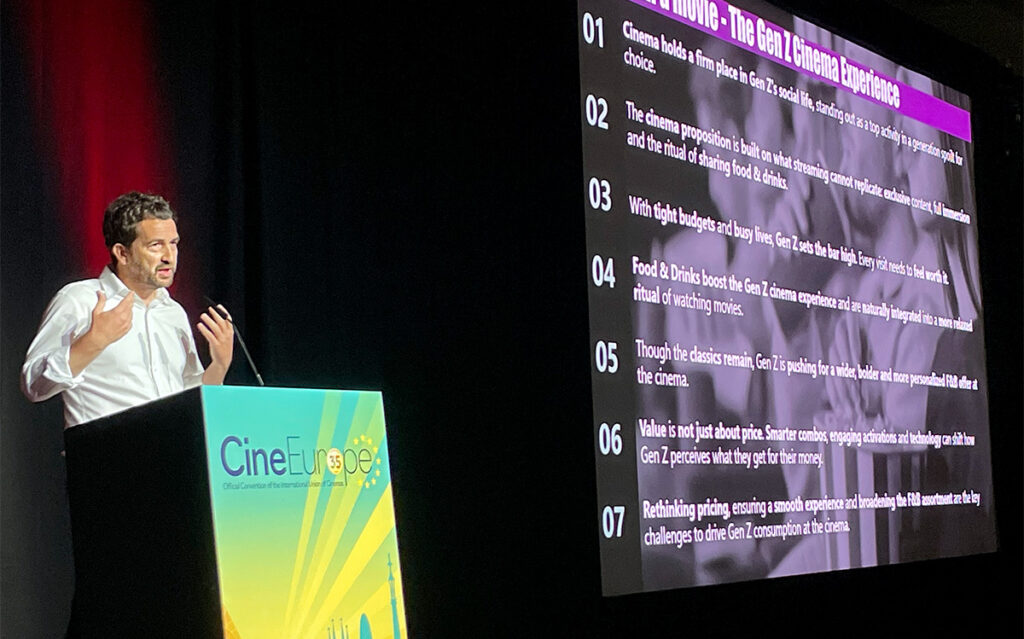
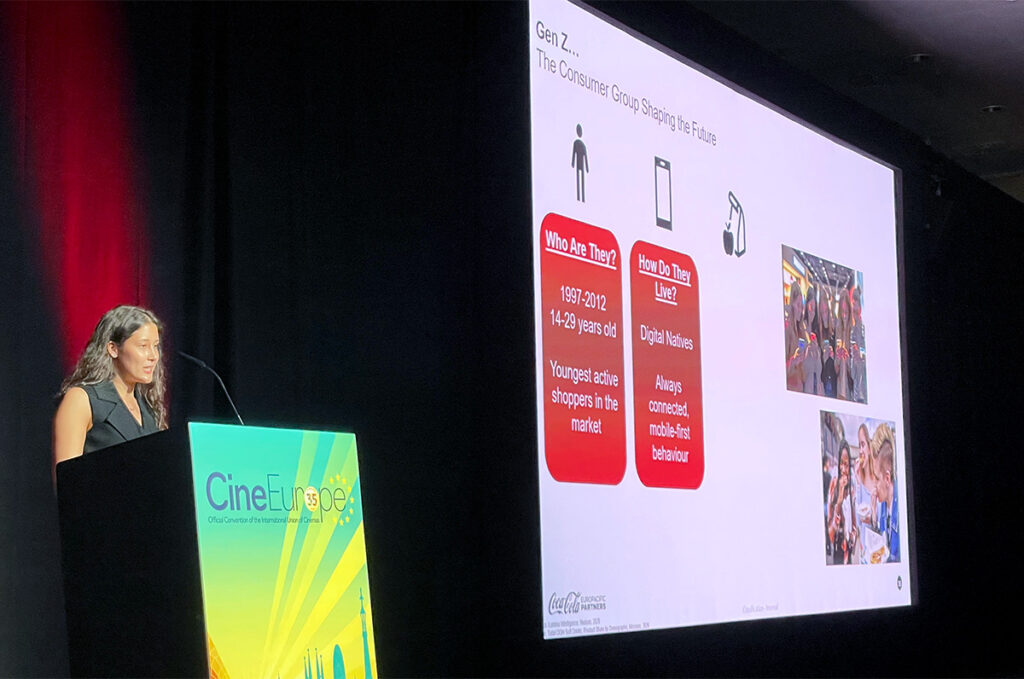
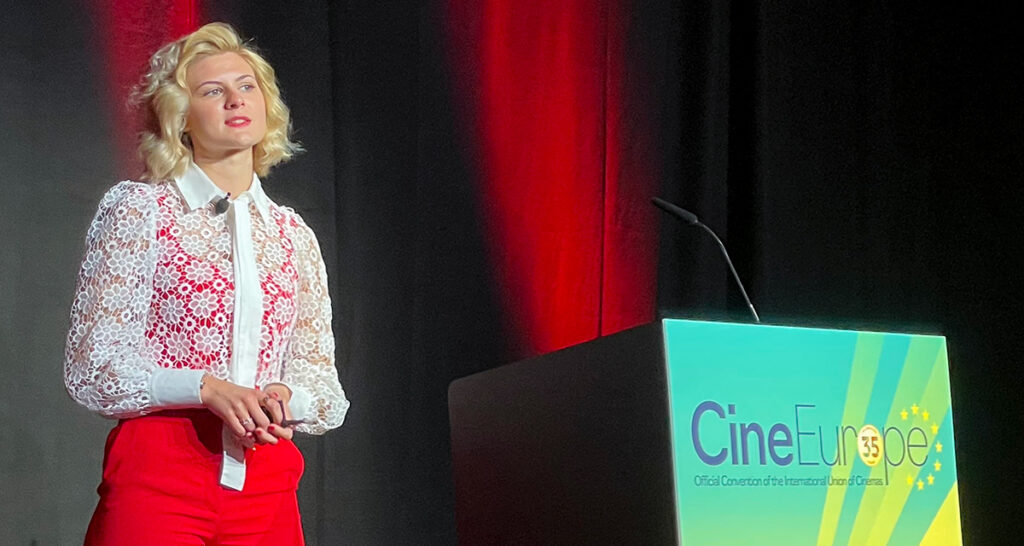
That was the clearest takeaway from “Inside the Gen Z Mindset,” a Coca-Cola-sponsored seminar held during CineEurope in Barcelona. The session combined research presented by Francisco Serrano, Market Research Executive at Conecta Research & Consulting, with a wider examination of Gen Z consumer behavior from Laila Kaid, Commercial Graduate – Category Executive at Coca-Cola Europacific Partners, and a practical TikTok case study from Sara Nieuwdorp of Cineplex Deutschland. Stephanie Morgner, Senior Director Away-from-Home Customer Cinema, Leisure & Entertainment at The Coca-Cola Company, moderated the presentation.
Together, they described a generation that has not rejected cinema so much as raised the standard each visit must meet.
Gen Z Never Really Left
Serrano described Conecta’s study as comprising between 1,200 and 1,500 interviews across the United Kingdom, Germany, Spain, Poland and Romania, rather than providing a single precise sample total. The research combined a general-population sample with additional interviews intended to ensure sufficient representation among cinemagoers and specific audience groups, including Gen Z.
Across the five markets, 77% of Gen Z respondents said they attended the cinema, a higher proportion than among the general population. Gen Z and respondents between the ages of 30 and 39 were also the most frequent moviegoers in the research, with attendance becoming increasingly occasional as respondents grew older. Younger audiences tended to visit on Fridays and Saturdays, particularly Saturdays, and usually attended with a partner, friends or family rather than alone.
Those findings are especially notable because cinema competes for space within an unusually active leisure schedule. Gen Z respondents over-indexed across a range of social activities, with cinema ranking behind only gathering at home with friends and eating out, and roughly alongside going out for drinks. Moviegoing is not simply an alternative to watching content at home, but part of a broader social life competing for the same limited hours.
The principal reasons younger respondents gave for attending had less to do with access to a film than what the theatrical experience added: exclusive content, immersion, the scale of the screen, relaxation and the opportunity to share the occasion. Streaming may offer convenience, but it cannot reproduce a packed auditorium collectively reacting to a film, concert or fan event.
“For Gen Z, cinema is about experience – things that they cannot get at home,” Serrano said.
The Outing Has to Earn Its Place
Cinema’s position within Gen Z’s social life also makes it vulnerable. Younger consumers have no shortage of alternatives competing for their time, and the Conecta research suggests they make a practical calculation before deciding where to spend it.
“For Gen Z, every visit needs to feel worth the effort,” Serrano said.
That calculation begins well before the lights go down. Approximately two-thirds booked tickets online in advance, while nearly half actively looked for a discount. Ticket price and a preference for streaming at home were major barriers across all age groups, but Gen Z respondents were more likely to cite a lack of time, concession prices, having nobody to accompany them and treating cinema as something reserved for special occasions.
Asked what might encourage them to attend more frequently, younger respondents again mentioned price, but they also pointed to shorter queues, better food and drink options and additional amenities capable of making a visit feel more distinctive. Lower prices may help, but even an inexpensive experience can represent poor value if it is inconvenient, uninspiring or no longer meaningfully different from staying home. Friction at any single point can diminish the value of everything around it.
The lesson is less “make everything cheaper” than “make the price make sense.”
Concessions Are Part of the Cinema Ritual
The strength of Gen Z’s relationship with cinema concessions was one of the study’s more striking findings. Across the five markets, 91% of Gen Z cinemagoers said they consumed food or beverages at the cinema, doing so during approximately seven out of every ten visits. Both figures were higher than those recorded among the general population.
Popcorn and traditional soft drinks remained dominant, but younger respondents were more inclined to supplement them with nachos, burgers, sandwiches and pizza, along with juices, frozen drinks and energy drinks. They also showed greater interest in variety, customization and purchases encouraged by promotions, gifts or novelty.
Approximately half bought concession combos, motivated by sharing, convenience and perceived value. More importantly, younger moviegoers viewed food and beverages as something that made the cinema experience feel special and complete, rather than simply satisfying hunger or thirst. Buying popcorn because it is part of going to the movies is a ritual, not merely a transaction.
That ritual creates an opportunity, but it does not guarantee a sale. High prices, waiting times, unappealing combinations and limited choice were all cited as barriers. Gen Z respondents expressed interest in more affordable and flexible combos, broader selection, greater customization and portions that offered a clearer sense of value.
For operators, the answer is unlikely to be replacing popcorn with whatever product happens to be trending that month. Traditional concessions remain powerful precisely because they are associated with cinema. The opportunity lies in building around them with limited-time items, customizable combinations, bolder choices and promotions that offer novelty without making the concession stand unnecessarily complicated.
Novelty attracts attention. Convenience closes the sale.
From Discovery to Hype – and Back Again
The cinema visit is only one stage in Gen Z’s relationship with a film. Kaid described a cycle in which audiences discover a title on TikTok, encounter content that builds anticipation, buy a ticket, attend and then return to post reactions, jokes, reviews and material from the outing, stimulating further discovery among other users.
Separate U.S. research cited during the presentation found that 47% of surveyed adult TikTok users had discovered a new theatrical film on the platform. Of those who discovered a film there, 36% subsequently bought a ticket. The numbers did not come from Conecta’s European study and were not presented as Gen Z-only findings, but they illustrate how difficult it has become to separate traditional film marketing from the social culture surrounding a release.
A trailer may introduce the film, but memes, fan edits, reactions and the fear of missing a shared cultural moment can turn awareness into urgency. For exhibitors, social media is therefore more than another outlet for trailers, showtimes and posters. It is where anticipation takes shape and the cinema experience continues after the customer leaves.
Cineplex Stops Advertising and Joins the Entertainment
Cineplex Deutschland’s TikTok strategy offered the seminar’s clearest example of how an exhibitor can participate in that cycle rather than merely advertise beside it.
Cineplex combines a national brand presence and campaign strategy with locally operated cinemas that remain closely connected to their communities. Many locations maintain their own Instagram and TikTok channels, while the national account focuses on broader campaigns, partnerships and brand communication. Nieuwdorp, who comes from a family of cinema operators, said that background gave her both a marketing perspective and a practical understanding of daily exhibition.
When Cineplex began developing its national TikTok presence shortly after the pandemic, younger audiences had become increasingly accustomed to watching films at home. The company concluded that simply advertising new releases would do little to rebuild an emotional connection with the theatrical experience.
“We no longer wanted to just advertise movies,” Nieuwdorp said. “We wanted to become part of the entertainment.”
Cineplex chose TikTok because, for younger users, it functions as an entertainment app, search engine, community and place where cultural trends accelerate. Cinema was already a subject of considerable conversation there, though much of it approached moviegoing negatively or ironically. The attention was present; Cineplex’s challenge was to redirect some of it toward the pleasures of the theatrical experience.
The company initially worked with an agency to understand the platform and continues to produce content in monthly batches, including scripting, filming and editing. Yet Nieuwdorp said the team quickly learned that TikTok could only truly be understood through regular experimentation.
“You only really understand TikTok by creating content yourself,” she said.
According to figures presented during the session, the national Cineplex account had grown to more than 82,000 followers and accumulated more than one million likes. Those totals referred specifically to the national account and did not include the separate audiences built by individual local cinema channels. Cineplex’s most successful national video had reached 4.5 million views.
The content responsible was often remarkably simple. Relatable cinema situations performed well: customer interactions, familiar auditorium behavior, employee experiences, inside jokes and self-deprecation drawn from everyday operations. Short point-of-view stories and “things everyone knows from the cinema” gave viewers something recognizable to share.
“The more relatable something is, the more likely people are to feel connected to it and engage with it,” Nieuwdorp said.
Discussions involving age-rating rules, ticket prices and moviegoing etiquette could also generate significant interaction. Cineplex answered audience questions with videos, allowing the community to influence what the account produced next, while special programming and fan events – including a “Harry Potter” marathon and content related to “28 Years Later” and “The Amazing Digital Circus” – created opportunities to connect with audiences already organized around a film, franchise or fandom.
People Follow People
One of Cineplex’s most important lessons was that successful TikTok content did not require expensive equipment, immaculate production or an overt sales pitch. It required recognizable people who appeared comfortable, enthusiastic and genuine.
“People don’t follow perfect brands,” Nieuwdorp said. “They follow people.”
That can be uncomfortable for marketing departments accustomed to controlling every frame. On TikTok, overproduction can make a video feel like advertising immediately. Cineplex found that authentic employees, humor and familiar situations often carried more credibility than polished promotional material.
“Entertainment must always come first,” Nieuwdorp said. “The brand comes second.”
Speed matters as well. A trend may remain relevant for only 48 hours, making prolonged approvals and rigid campaign calendars poorly suited to the platform. Cineplex balances planned monthly production with spontaneous videos that respond quickly to a trend, question or conversation. Authenticity does not require abandoning the brand; it means recognizing that relevance and personality can be more valuable than perfection.
Nieuwdorp said Cineplex now sees a direct impact from its TikTok work on ticket sales, although she did not present conversion data or explain how the company attributes individual sales to the platform.
“Community is often more important than pure reach, because a lot of views don’t automatically mean real engagement,” Nieuwdorp said.
Comments, recurring interaction and viewers contributing to the conversation may therefore reveal more than one viral result. Reach can introduce a cinema to an audience. Community gives that audience a reason to continue paying attention – and potentially to return.
A Willing Audience, Not a Captive One
Nothing in the CineEurope research suggested that Gen Z is destined to rescue theatrical exhibition. Younger audiences are not automatically loyal to cinema, individual circuits or established concession habits, and the same active social life that makes moviegoing attractive also gives them an abundance of alternatives.
But neither are they a generation the industry has already lost. They attend frequently, value collective experiences, buy concessions at high rates and extend the outing online, turning films, fan events and even familiar moments at the concession stand into material for social conversation.
What they appear less willing to accept is an outing that feels interchangeable, unnecessarily difficult or disconnected from the cultural activity surrounding it. Cinema’s challenge is not to compete with the smartphone by demanding that younger audiences put it away forever. The phone may be where a film is discovered, plans are made and anticipation builds – and where the experience continues afterward.
The auditorium offers something the screen in their hand cannot: immersion, collective emotion and the feeling of being present when something happens.
For Gen Z, that still matters.
The cinema business simply has to make the rest of the trip worth it.
Editor’s note: This feature is part of Celluloid Junkie’s coverage of the seminars presented at CineEurope 2026 in Barcelona. See more reporting from the sessions below.
More from CineEurope 2026

- Cinema Owners Have Invested $2.7 Billion in Theatres. What Is That Money Buying? - October 1, 2026
- The Paramount-Warner Merger Is Permanent. The Guardrails for Movie Theatres Are Not - September 22, 2026
- Cinemas Aren’t Just Marketing Movies Anymore. They’re Marketing Auditoriums - September 15, 2026