


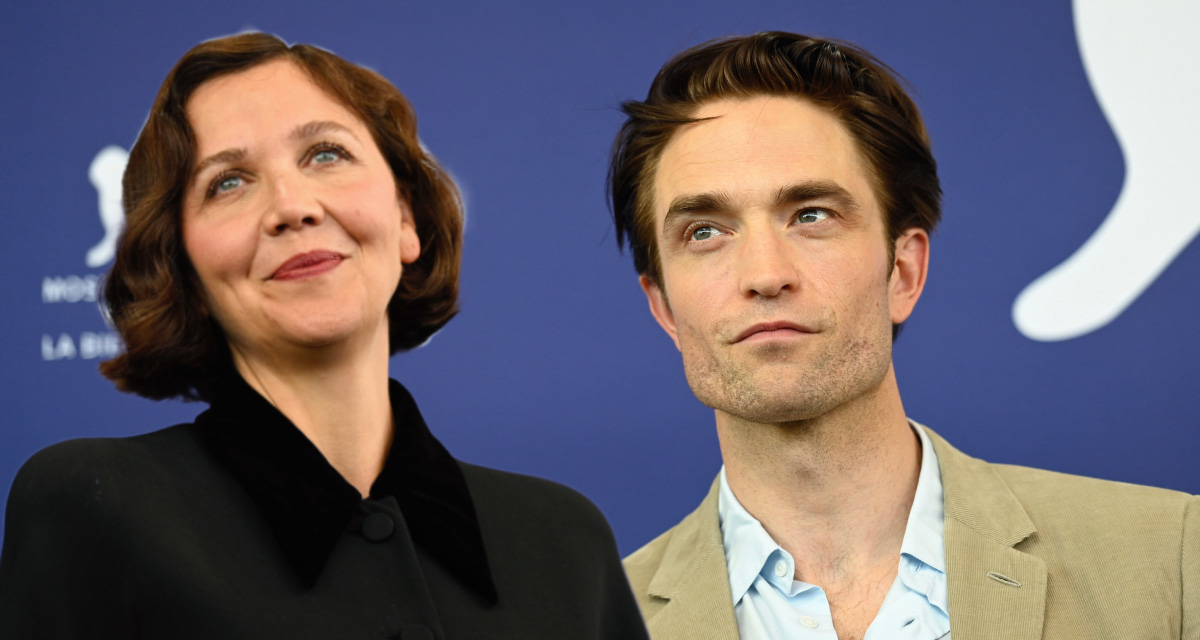
Unfolding between 1 and 12 September 2026 – a week later than usual – the 83rd Venice Film Festival brought filmgoers back to the Lido, braving the blistering heat all in the name of cinema. With a sprinkling of stars, rather than a deluge, it was a festival that remained buoyant, despite a lack of Hollywood studio fare, echoing what happened in Cannes earlier this year. Still, with a female Golden Lion winner, epic documentaries, and politics once again on the radar, there was still much to digest. Here are five takeaways from the selection.
The Studios Bypassed Venice
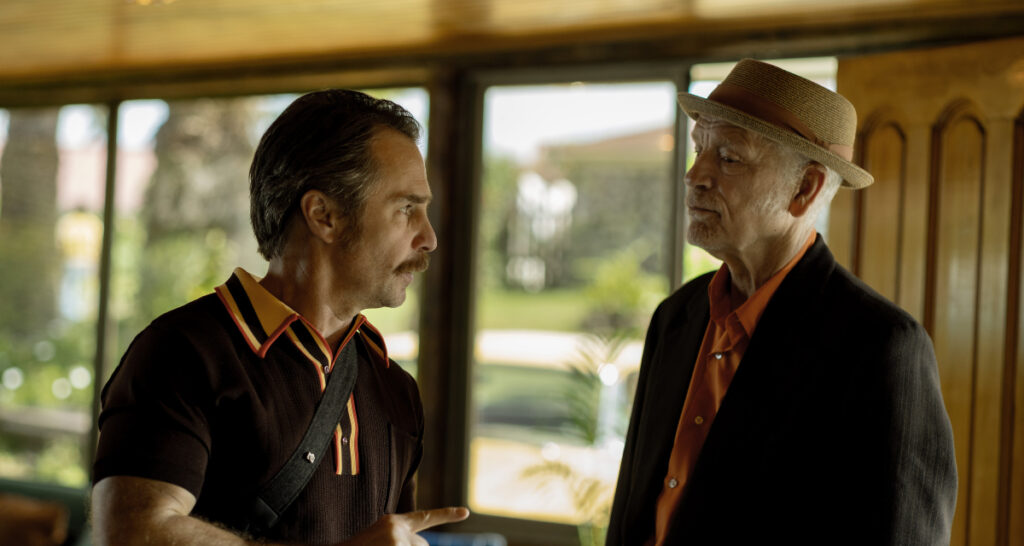
Like Cannes 2026, the studios stayed away from Venice. In competition, only the Disney-owned Searchlight Pictures pitched up with “Wild Horse Nine”, although one imagines that director Martin McDonagh would’ve insisted on it, given his last two award-winning films, “Three Billboards Outside Ebbing, Missouri” and “The Banshees of Inisherin” also launched in Venice. Is this studio absence the shape of things to come? Or just a blip? Perhaps it was bad timing; films like Aaron Sorkin’s Facebook tale “The Social Reckoning”and David Fincher’s “The Further Mis-Adventures of Cliff Booth” were both expected to come but were reportedly undergoing reshoots in August, meaning a festival berth was impossible. But other films deliberately skipped the Lido, like Alejandro González Iñárritu’s Warner Bros. title “Digger,” starring Tom Cruise – a repeat of what the studio did last year with Paul Thomas Anderson’s “One Battle After Another.” Does this mean Hollywood has really gone cold on using the major festivals as a launchpad?
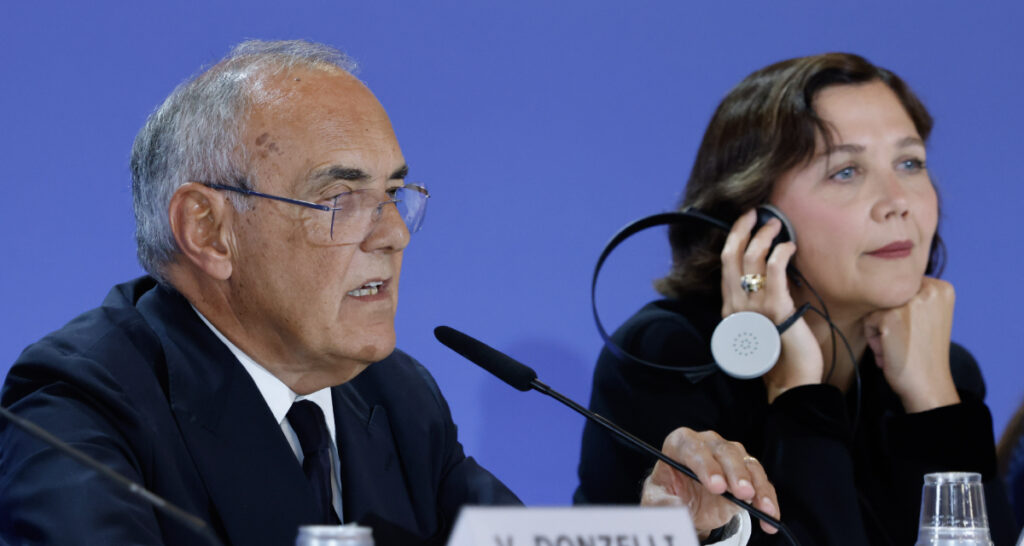
In the past, Venice had a wonderful track record premiering films that went on to win the Best Picture Oscar (“Spotlight,” “Nomadland” and “The Shape of Water,” to name but three), however the Academy Award wins for “One Battle After Another” showed that a festival splash isn’t the only route to success. “The studios are in such a state of stalemate, struggling and redefining themselves by merging,” artistic director Alberto Barbera told Variety ahead of the festival. “Or in any case, experiencing an identity crisis, that auteur films usually destined for festivals just aren’t there.” Certainly, that’s a reasonable explanation. But between the rising costs to take a film to Venice — the eye-watering prices to stage a press junket in the Lido’s Excelsior Hotel will surely put some off — and the increasingly risk-averse studios concerned that a film might tank after poor reviews — must also be a contributing factor. Whatever the case, after this year’s Cannes and Venice, it will be interesting to see what happens in 2027, and whether the festivals will become primarily a platform for world cinema, which they always have been, of course, as Hollywood tries to figure out how best to market its product in the era of TikTok.
Female Directors Were Back on the Agenda
Ahead of the festival, the main talking point was the fact that the main competition line up had just one female filmmaker; May el-Toukhy. Noting that 50% of the selection committee is female, Barbera told Deadline during the festival that they tried “very hard to find more films by women for the competition.” True or not, the Venice team could breathe a sigh of relief that the jury, headed by Maggie Gyllenhaal, was taken with el-Toukhy’s searing post-World War II drama “Woman Unknown.” Not only did the film win the Golden Lion, making the Danish-Egyptian filmmaker just the eighth woman to claim the prize in the festival’s history, but it also won Best Actress for leading lady Mathilde Arcel. Quite brilliantly, she plays Marie, a nanny whose past threatens to destroy her at a time when women in Copenhagen were being exposed for fraternising with German soldiers.
The female quota in competition was also slightly nudged up by the late addition of the documentary “NAZA,” co-directed by Rachel Szor and Yuval Abraham, the duo behind the Oscar-winning “No Other Land.” But until more women are given the opportunity to direct, such fallow years will naturally draw attention. Outside of the main competition, there were some excellent female-driven works, including Chinese filmmaker Michelle Zhou’s same-sex relationship drama “Big Little Things,” which played in the Orizzonti (Horizons) sidebar. Laura Poitras, the last woman to win the Golden Lion for “All the Beauty and the Bloodshed,” was back with “They’re Here,” a haunting 25-minute movie, co-directed with Rachel Lauren Mueller, which depicts Minnesotan residents combatting the work of ICE in the United States. Gyllenhaal herself also presented “Flesh Impact,” an elegant short she made to celebrate Marilyn Monroe’s 100th birthday, starring Dakota Johnson and Ellyn Burstyn as two very different versions of the screen icon.

The Robert Pattinson Roadshow Continues
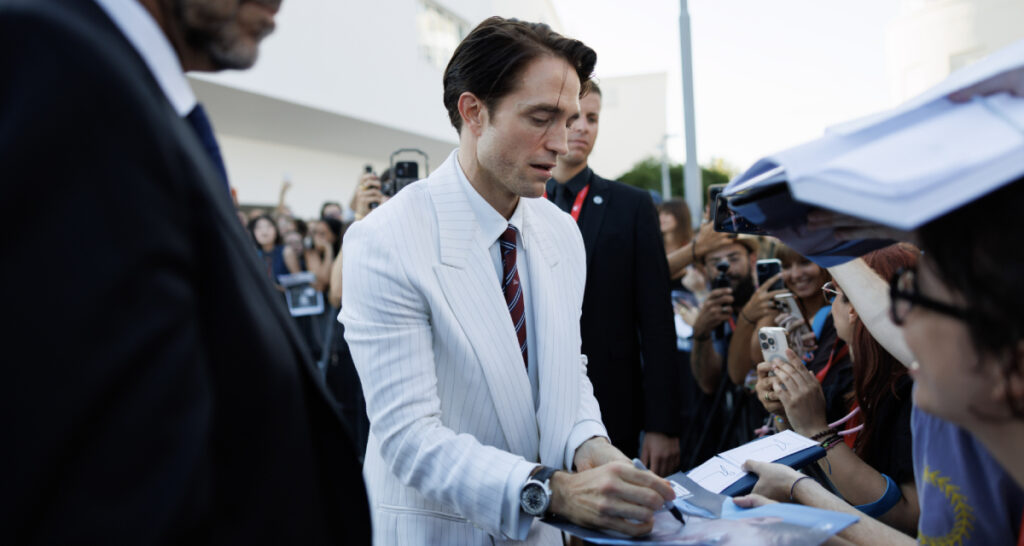
While it was harder than usual to spot the awards contenders in this muted Venice line-up, the battle for Best Actor this awards’ season heated up with John Malkovich claiming the Volpi Cup for his work as a world-weary CIA agent in “Wild Horse Nine.” Malkovich has been nominated for an Oscar twice before, and never won, suggesting a victory for him will be a popular vote. But can he do anything to stop Robert Pattinson? This feels like Pattinson’s year, following his headline appearance in “The Drama,” opposite Zendaya, and his role as the conniving Antinous in “The Odyssey.” With a turn in “Dune Part Three” still to come, in Venice, he took the lead as real-life TV presenter Chris Hansen in Lloyd Oppenheim’s A24-backed “Primetime.” Set all around the world of ‘To Catch a Predator’, the Dateline NBC news segment in the early 2000s that set up stings to ensnare internet paedophiles, it was another slick performance from the British actor, who turned 40 in May and could yet cap it with a first Oscar nomination — and maybe even statue — of his career. Certainly, he was willing to put every effort into promoting “Primetime,” arriving on the Lido over the weekend as he nipped away from the London shoot of Matt Reeves’ “The Batman: Part II.” At the A24 party to celebrate the film, he graciously greeted well-wishers desperate for selfies. This man knows how to work a crowd.
Documentaries Were Out In Force
This year, the Venice Film Festival announced a new non-fiction strand, Films On Films, based on the wealth of documentaries they’d received as submissions. Featuring documentaries that explored cinema, among those that made the cut, Walter Fasano’s “Nino – A Film About Nino Rota,” a deep dive into the work of “The Godfather” composer; “Joie de vivre,” Luca Guadagnino’s 7hr 25min look at Italian filmmaker Bernardo Bertolucci; and Sophie Fiennes’ “The Pervert’s Guide to Utopias,” her third collaboration with philosopher and critic Slavoj Žižek. The Hollywood Reporter even titled one article: “Forget the Red Carpet — Venice’s Real Stars Are in the Documentaries This Year.”
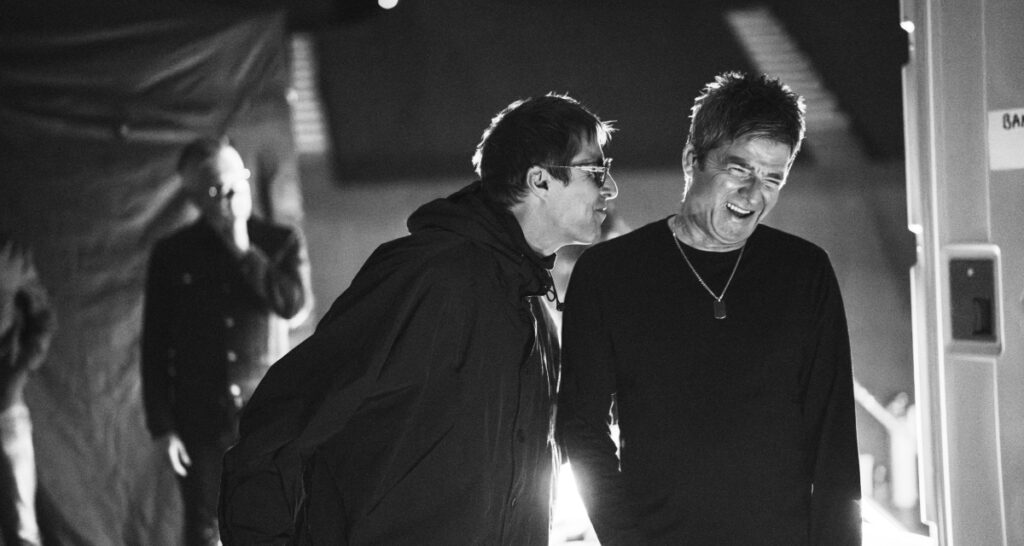
Indeed, it was impossible to argue against the fact that the biggest stars at this year’s Venice were not movie actors, but musicians: Oasis’ Liam and Noel Gallagher hit the red carpet ahead of the world premiere of “Oasis: Don’t Look Back In Anger,” a moving look at the power of music that followed the famously fractious siblings on their 2025 reunion tour. If that was something of a surprise — never mind the grown men pictured crying on screen, there were plenty of nostalgia-inspired tears in the Sala Grande auditorium — it wasn’t the only documentary to move people.
The aforementioned “NAZA,” which dug into the Israeli military tactics used in the hunt for Hamas operatives after the 7 October attacks, drew a record-breaking 25-minute standing ovation when it played towards the end of the festival. Winning a Special Jury Prize, it felt like the first port of call for a film destined to run the distance in the awards season. Then there was “Musk,” a four-hour odyssey from Alex Gibney that burrowed into the life and largesse of the world’s richest man, Elon Musk, tracing his time from Tesla Motors and SpaceX to the Twitter takeover and his controversial time heading up DOGE. A typically forthright work from Gibney (“The Armstrong Lie,” “We Steal Secrets: The Story of WikiLeaks”), it was another example of the healthy state of documentary film right now.
Japanese Cinema Continues its Renaissance
Whisper it quietly, but Japan is going through a rich period of filmmaking. After strong showings in Cannes 2025 as well as 2026, when it was the official Country of Honour, Japanese cinema was also in the spotlight at Venice. Among the selection, cult filmmakers Takeshi Miike (“Audition”) and Shinya Tsukamoto (“Tetsuo: The Iron Man”) were present with two very different movies. In competition, Tsukamoto’s “Mr. Nelson, Did You Kill People?” — just his second English-language production — told of the real-life Vietnam veteran Allen Nelson, played by Rodney Hicks. Hicks gave a blistering performance of a man who overcomes his PTSD. Miike, meanwhile, delivered his first documentary feature, “Shumei: The Living Legacy of Kabuki,” which explored the Japanese theatrical art form and in particular the 2022 succession ceremony of Ichikawa Danjūrō XIII Hakuen as he is named heir to the Kabuki dynasty.

Also, in competition, Hirokazu Kore-eda’s gorgeous manga adaptation “Look Back” – marking his second film in three months, following “Sheep in the Box.” Speaking at the festival, Kore-eda said that while Japan is lagging behind Korea when it comes to making an impact in the international market, things are beginning to change. “Compared to somewhere like Korea, there has been almost no support from the government for film for decades, and then I think they’ve realized that because, as of last year, there is now some support for overseas film promotion… but I think that there’s a lot of work to do to make sure that this continues for another 20 years, so that we can see the next generation coming through as well.”
- Venice 2026: Defiant Documentaries, Female Filmmakers and a Scaled-Back Studio Offering - September 17, 2026
- How the Mediterrane Film Festival in Malta Is Putting the Island on the Map for Filmmakers - July 10, 2026
- Can Direct-to-Audience Distribution Give Indie Films a New Path to Theatres? - June 18, 2026