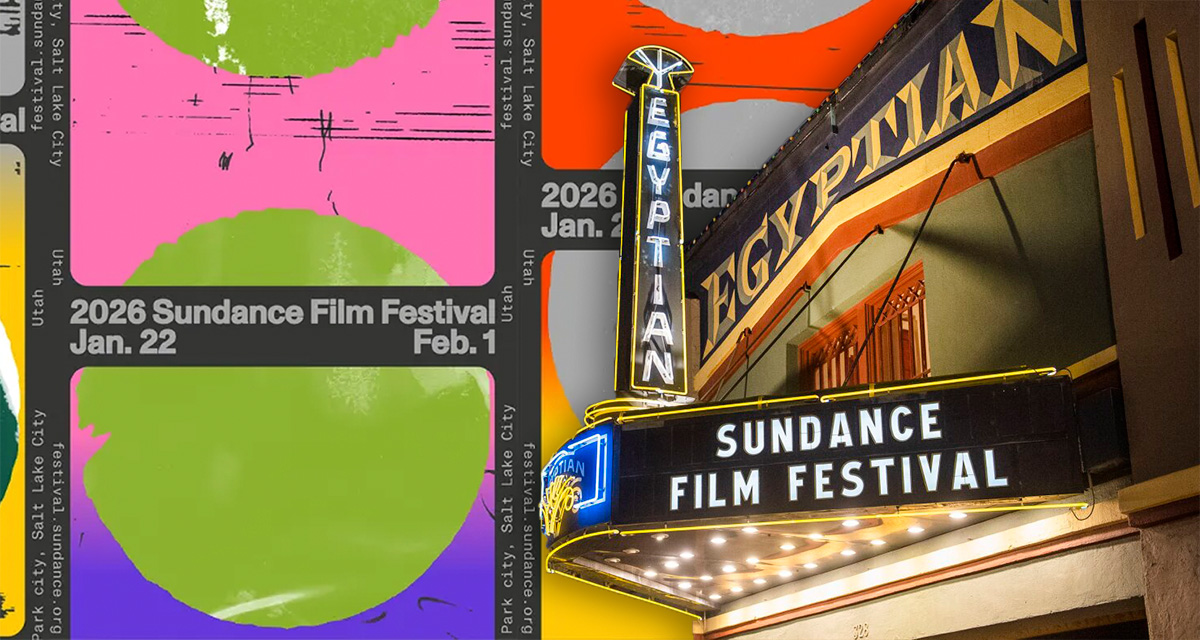
There’s a particular rhythm to January in Park City that only Sundance people really understand. The crunch of snow under boots that aren’t meant for ice. The quiet panic of realizing you’ve misjudged travel time between venues by at least fifteen minutes. The oddly comforting sight of volunteers in parkas, radiating a kind of calm competence that suggests everything will be fine, even when it clearly won’t be.
In 2026, that rhythm plays out one last time.
This year’s Sundance Film Festival arrives carrying more meaning than usual. It’s the final edition to take place in Park City, Utah — a town that, for better or worse, became inseparable from the festival’s identity. It’s also the first Sundance without its founder, Robert Redford, whose belief in independent voices helped transform a regional event into one of the most influential cultural institutions in American film.
There’s no way around it: Sundance 2026 will feel different when it commences on 22 January. But not in the way people might expect.
Despite the temptation to frame this year as an extended goodbye tour, the festival itself doesn’t seem particularly interested in wallowing in nostalgia (though it has programmed a small retrospective of its past award winners). Instead, Sundance is doing what it has always done best — turning outward, engaging with the present, and quietly setting the terms for what comes next.
If anything, this lineup feels like a reminder that Sundance was never really about a place. Park City was the backdrop. The films were always the point.
Narrative Films That Don’t Look Away
At its best, Sundance is a festival of mirrors; films that reflect the anxieties, contradictions, and blind spots of their moment, sometimes warped, sometimes brutally clear.
That instinct runs powerfully through Sundance’s narrative cinema, where fiction isn’t used as escape but as a way of processing the world in real time. Over the years, the festival’s narrative selections have often been as socially engaged as its documentaries, simply operating through metaphor, character, and tone rather than direct address.
In recent years, that engagement has increasingly taken on an international shape, and Sundance 2026 leans fully into that evolution. This year’s World Cinema Dramatic Competition lineup spans Nigeria, Greece, the Philippines, Israel, and New Zealand; less as a curatorial statement than as an acknowledgment of where independent filmmaking energy currently resides.

One of the more transporting entries is “Levitating,” an Indonesian film that drops audiences into the rarely depicted world of shamanic trance parties, where participants channel spirit animals through music, dance, and ritual. It sounds surreal — and it is — but the film grounds its strangeness in recognizably human stakes: love, competitiveness, and the pressures of forced migration.
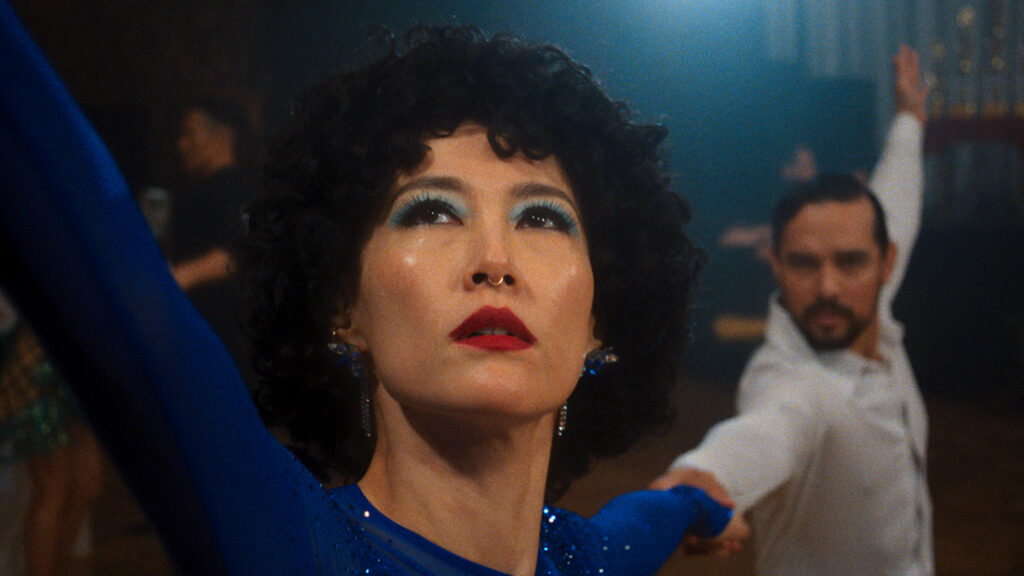
That same willingness to immerse audiences in unfamiliar worlds runs through several other standout narrative selections, such as NEXT. In “zi,” filmmaker Kogonada returns to Sundance with an elliptical, sci-fi–inflected meditation following a Hong Kong woman who begins encountering her future self over the course of a single night. Less concerned with mechanics than mood, the film explores dislocation, memory, and choice with a quiet confidence that trusts the audience to lean in.
In the U.S. Dramatic competition, “Ha-chan, Shake Your Booty!” brings the festival into Tokyo’s competitive ballroom dance scene, where grief, desire, and reinvention collide. What begins as a character study gradually opens into something more joyful and kinetic, using dance as both metaphor and release valve.
What unites these films isn’t geography or genre, but a shared belief that specificity is strength. Sundance has long been a place where filmmakers are encouraged not to universalize prematurely — to tell the story in front of them first and trust that meaning will travel.
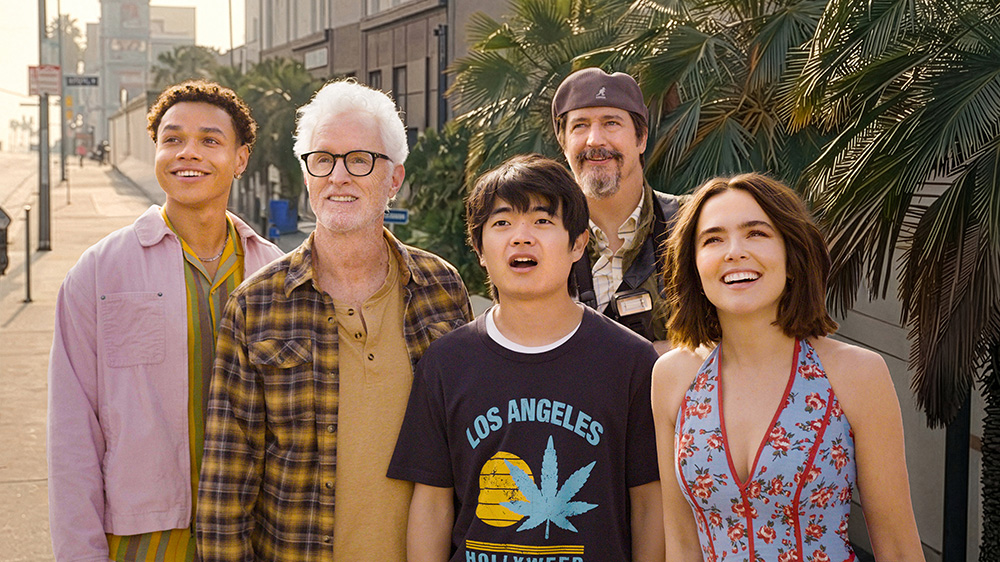
Comedy, too, emerges as an unexpected through-line this year. That may sound counterintuitive given the state of the world, but Sundance has always understood humor as a survival mechanism rather than an escape hatch. Buzz has already started building around “Gail Daughtry and the Celebrity Sex Pass” from director David Wain, perhaps about a married couple who decide to use their titular passes. Macon Blair brings “The Shitheads” to the Premieres, a comedy about transporting a rich teen to rehab. Hijinks ensue.
Many of the festival’s comedies find laughter in grief, absurdity in systems that no longer function, and catharsis in saying the quiet part out loud. It’s a reminder that Sundance has never been comfortable with easy tonal binaries. Films here are rarely just one thing. They’re funny and sad. Angry and hopeful. Messy and sincere.
Stars, Spectacle, and the Sundance Equation
That balance between reflection and reinvention is also where Sundance’s relationship with star power comes into focus.
Despite its indie bona fides, Sundance has never existed in opposition to recognizable faces. In fact, part of its enduring appeal lies in its ability to place familiar performers inside unfamiliar stories — often to surprising effect. Actors come to Sundance not to repeat themselves, but to recalibrate, to take risks that wouldn’t survive in more risk-averse environments.
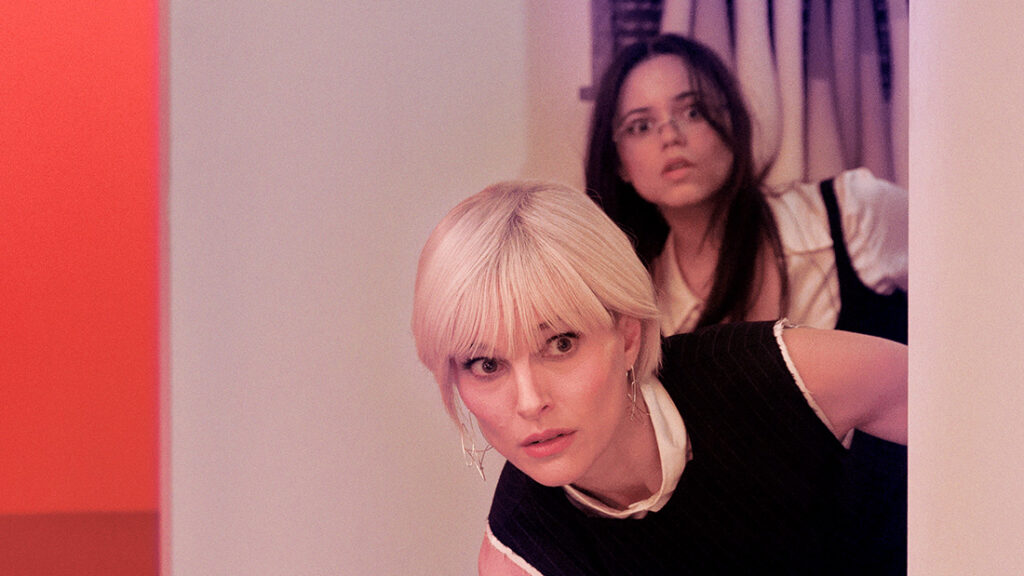
That recalibration is especially evident in “The Gallerist,” directed by Cathy Yan and starring Natalie Portman, which places its characters inside the rarefied and ruthless machinery of the contemporary art world. Centered on a gallery owner desperate for relevance ahead of Art Basel Miami, the film uses dark comedy to interrogate taste-making, influence, and moral compromise — themes that feel particularly at home at Sundance.
Meanwhile, Charli XCX isn’t “crossing over” into film so much as curating her screen identity in real time, appearing across multiple Sundance titles — including the self-reflexive mockumentary “The Moment” — in ways that collapse the distance between pop stardom, authorship, and performance. Elsewhere, Olivia Wilde arrives at Sundance not just as an actor, but as a filmmaker reasserting creative control, premiering a tightly wound chamber drama in “The Invite” while also embracing provocation in Gregg Araki’s “I Want Your Sex.” For longtime Sundance fixtures like Ethan Hawke and Jay Duplass, returning with projects like “The Weight” and “See You When I See You” respectively, the festival once again serves as a space for reinvention rather than validation — a place where careers aren’t only launched but also recalibrated, or quietly redirected.
That tension — between discovery and expectation, between commerce and craft — has always been Sundance’s tightrope. It’s also why the festival continues to matter in an increasingly fragmented media landscape.
A Festival That Changes Things (Sometimes Without Asking Permission)
If Sundance’s narrative films explore the world through metaphor and character, there’s another side of the festival that has always dealt in stark reality.
One of Sundance’s most enduring legacies is its relationship with documentary cinema, not simply as a showcase, but as a catalyst. Over the years, the festival has premiered nonfiction films that didn’t merely win awards, but actively entered the cultural bloodstream.
“Super Size Me” changed how Americans talked about fast food. “An Inconvenient Truth” shifted the mainstream conversation around climate change. “American Factory” offered a ground-level look at globalization’s human cost. More recently, “20 Days in Mariupol” helped reframe the war in Ukraine for audiences far removed from the conflict.
And then there are the documentaries that create consequences.
In 2013, “Blackfish” arrived at Sundance as a tightly constructed investigation into captive orcas. What followed was something far rarer: a documentary that didn’t just provoke outrage, but contributed to measurable change. SeaWorld eventually ended its orca breeding program and the theatrical exploitation of killer whales. That outcome wasn’t guaranteed — but Sundance gave the film the visibility, credibility, and momentum it needed to matter.
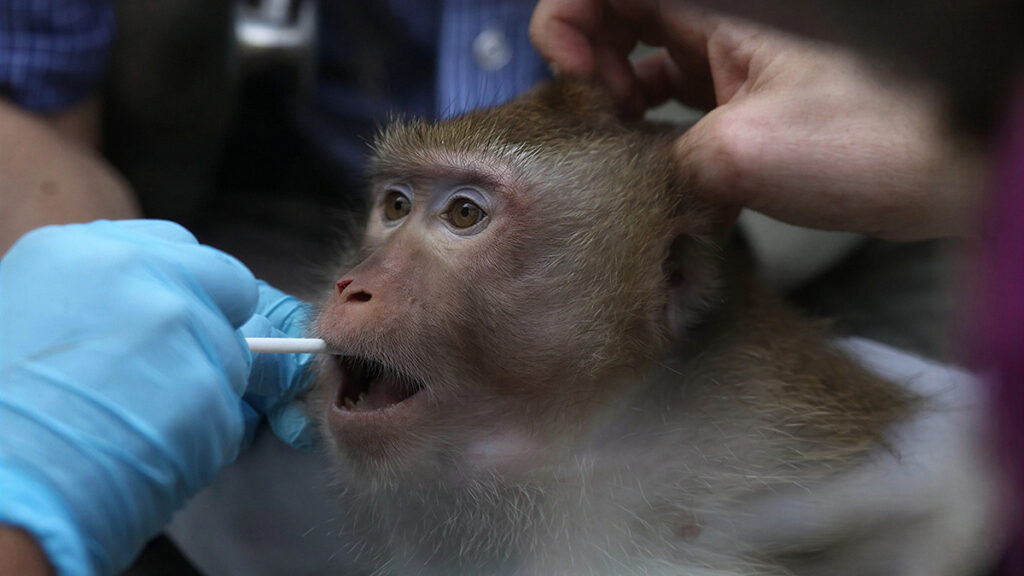
That tradition continues in 2026 with “Sentient,” a documentary that peers into a world most people would rather not see: the widespread use of animals in laboratory testing and research. It’s an uncomfortable film by design, less interested in shock than in sustained moral pressure. The question it poses is simple and devastating: now that we know more, why do we continue as before?
That urgency carries across several other nonfiction selections. “The Lake,” from director Abby Ellis, is an urgent film programmed in the U.S. Documentary competition that hits close to home for Sundance, as it follows two scientists and a political operative as they race to save the Great Salt Lake from a catastrophic ecological disaster. “When a Witness Recants,” directed by Dawn Porter, revisits a decades-old miscarriage of justice rooted in coerced testimony, examining not just institutional failure but the long shadow such cases cast over entire communities.
At the other end of the spectrum, “The History of Concrete” from filmmaker John Wilson transforms the ostensibly mundane into something quietly revelatory. Using the built environment as a lens, the film explores modern life, capitalism, and the strange systems we take for granted. It’s a reminder that Sundance documentaries don’t always shout — sometimes they sidestep, observe, and let meaning accumulate.
Looking Back to See Forward
For all its urgency, Sundance has never been allergic to history. Some of the festival’s most beloved documentaries are explicitly backward-looking, yet deeply relevant to their moment.
“Man on Wire” wasn’t just about a daring high-wire act, it was about obsession, artistry, and risk. “Searching for Sugar Man” used archival mystery to interrogate fame and authorship. “Summer of Soul” resurrected a lost cultural moment while forcing a reckoning with why it disappeared in the first place.
The 2026 lineup continues that tradition with films that examine the past as something alive rather than settled.
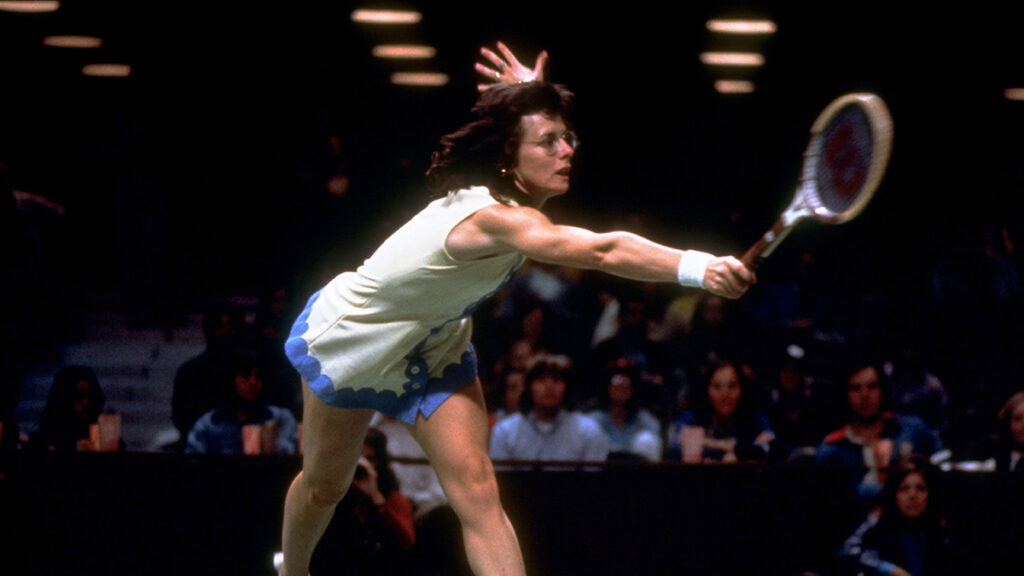
“Give Me the Ball!” revisits the career and cultural impact of Billie Jean King, not as a victory lap, but as an exploration of how one athlete helped reshape the conversation around gender, power, and fairness in sports — debates that remain unresolved today.
Meanwhile, “Once Upon a Time in Harlem” resurrects long-unseen footage from a 1972 gathering of Harlem Renaissance figures at Duke Ellington’s apartment. What emerges is less a history lesson than a living conversation, artists reflecting on legacy while unknowingly creating it in real time. That’s especially true of “Public Access,” which delves into New York City’s cable television archives to document an era of underground creators defying censors raising questions about free-speech which persist to this day.
These films don’t treat history as a museum exhibit. They use it as a tool — one that helps decode the present rather than escape from it.
Saying Goodbye to a Place (Without Romanticizing It)
There’s no denying that Park City will be missed, more for its unique setting than the ever-rising cost of attending the festival.
The Egyptian Theatre. The Eccles. The Ray. The strange alchemy of bumping into filmmakers, executives, and critics while waiting for coffee. The sense that, for 10 days, a small mountain town became the center of the independent film universe.
But it’s also true that Sundance outgrew Park City years ago. The logistical challenges became part of the mythology, but they were still challenges — limited housing, transportation bottlenecks, and accessibility issues that disproportionately affected emerging filmmakers and marginalized voices.
The move to Boulder, Colorado for the 2027 edition, represents change — but not abandonment. Sundance didn’t start in Park City, and its identity was never meant to be fixed in place. What matters is not the zip code, but the commitment to fostering independent voices and creating a space where risk is rewarded rather than punished.
In that sense, Sundance 2026 feels less like an ending than a transitional moment.
The Redford Question
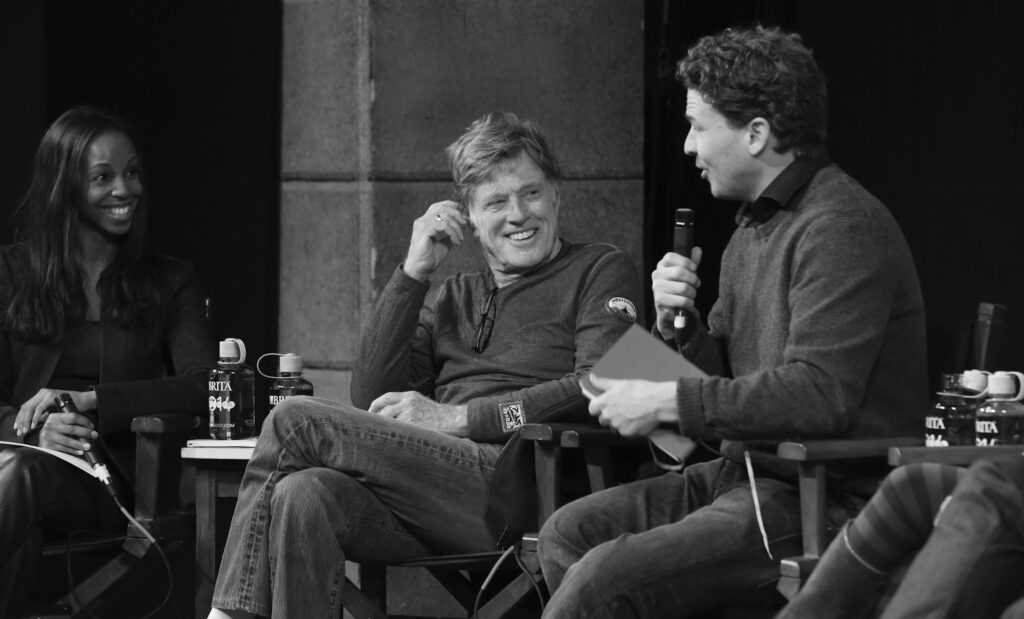
It would be impossible to write about this year’s festival without acknowledging the absence of one of its founders, Robert Redford. His influence is everywhere, not just in archival screenings or institutional tributes, but in the very idea that independent film deserves infrastructure, mentorship, and visibility.
What’s striking, though, is how little the festival seems interested in canonizing the actor / director. Redford’s legacy isn’t being preserved in amber. It’s being carried forward through work that aligns with his original ethos: independence, curiosity, and a belief in artists who haven’t yet been validated by the marketplace.
If anything, Sundance 2026 feels like a quiet affirmation that the systems Redford helped build are resilient enough to function without him at the center. That may be the most meaningful tribute of all.
Why Sundance Still Matters
In an era when the economics of independent film feel increasingly precarious, Sundance remains one of the few places where films are still allowed to arrive on their own terms.
Not everything here will work. Not every film will find its audience. But the festival continues to operate on a radical premise: that cinema is worth the risk.
As Sundance prepares to leave Park City, it does so not by looking backward, but by programming forward. The 2026 lineup is dense, international, politically engaged, occasionally unruly, and often deeply human. It doesn’t feel like a victory lap. It feels like a continuation.
Which is exactly the point.
Sundance has never been about endings. It’s about beginnings; sometimes messy ones, sometimes uncomfortable ones. And if this is the final chapter in Park City, it’s a fitting one: full of questions, full of voices, and very much alive.
This year’s Sundance Film Festival will take place in Park City and Salt Lake City, Utah from 22 January through 1 February.