


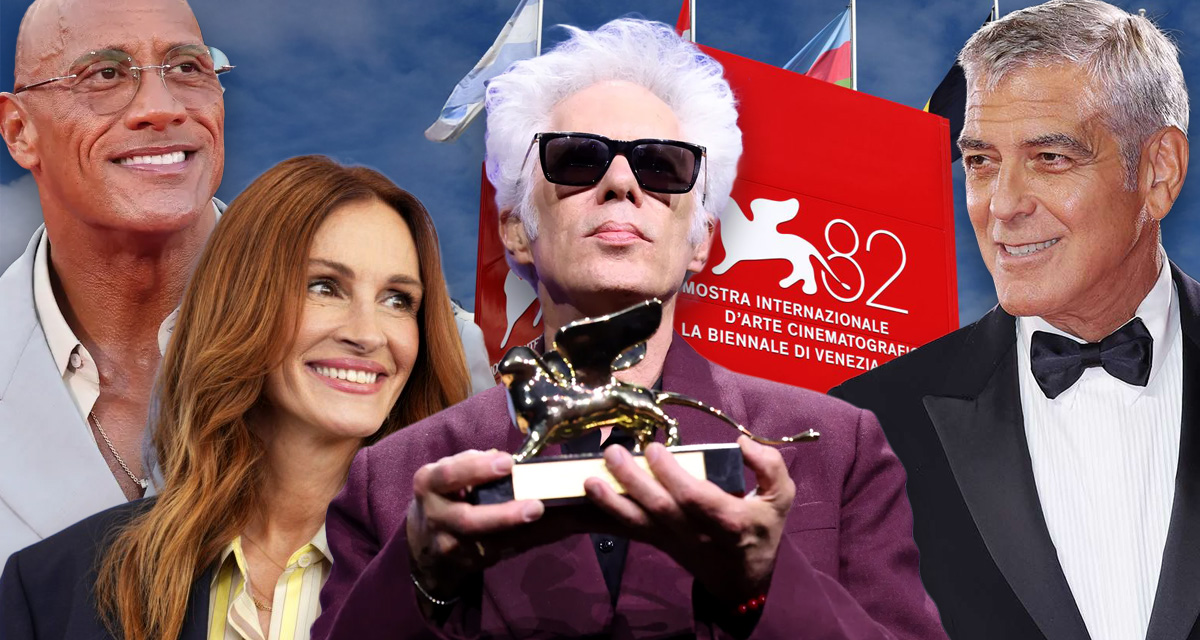
Forget easing into the Lido with gondolas and red-carpet glitz — Venice 2025 (27th August to 6th September) came out swinging. Between George Clooney and Dwayne Johnson lighting up the premieres, MUBI and Netflix muscling into awards-season territory, and a record-breaking ovation for “The Voice of Hind Rajab”, Kaouther Ben Hania’s Gaza-set drama, this year’s trip to the Mostra felt like a snapshot of cinema at a crossroads. And then came the biggest surprise of all…
And the (Controversial) Winner Is…
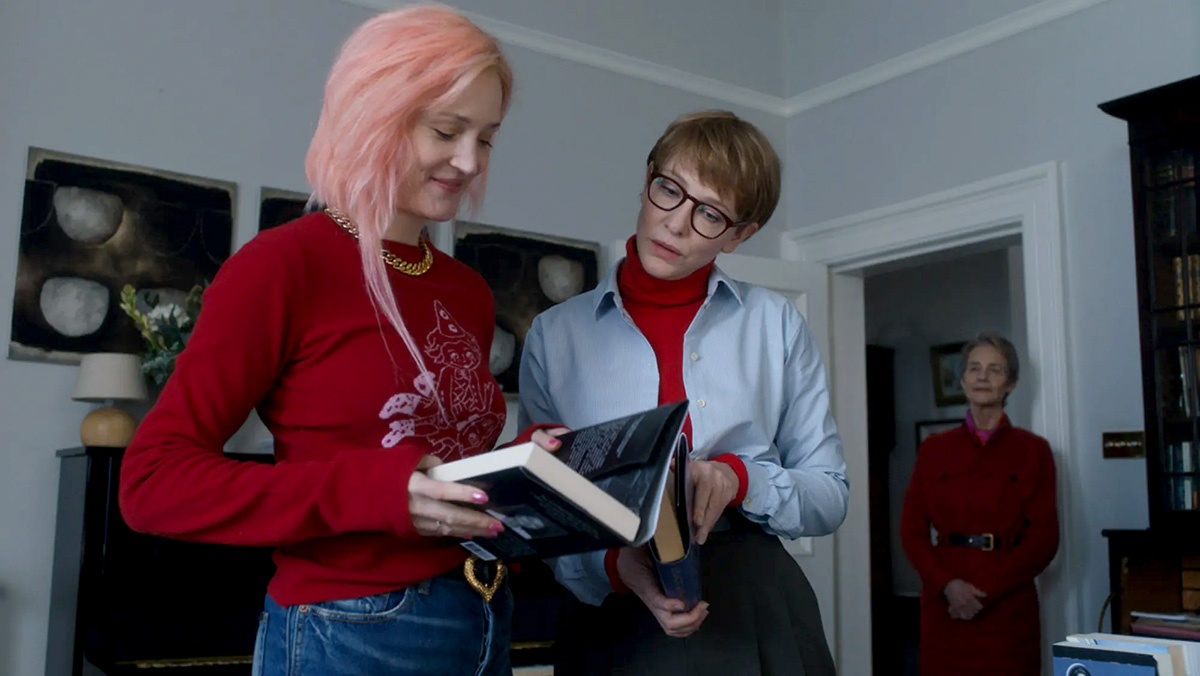
Absolutely nobody saw this coming. To say the award of the Golden Lion to Jim Jarmusch’s quietly meditative “Father Mother Sister Brother” was out of left-field is putting it mildly. A film very few were talking about in the run-up to the prize-giving, this triptych familial tale starring Adam Driver, Cate Blanchett, Charlotte Rampling and others was, at best, a film widely regarded as a mild diversion at best. You might say, Jarmusch’s win echoed the previous year. Like Jarmusch, who has never previously won the top prize at one of the three major festivals (Berlin, Cannes, Venice), Pedro Almodóvar claimed the Golden Lion for 2024’s “The Room Next Door,” his first major festival win. In both cases, the filmmakers have made far better films.
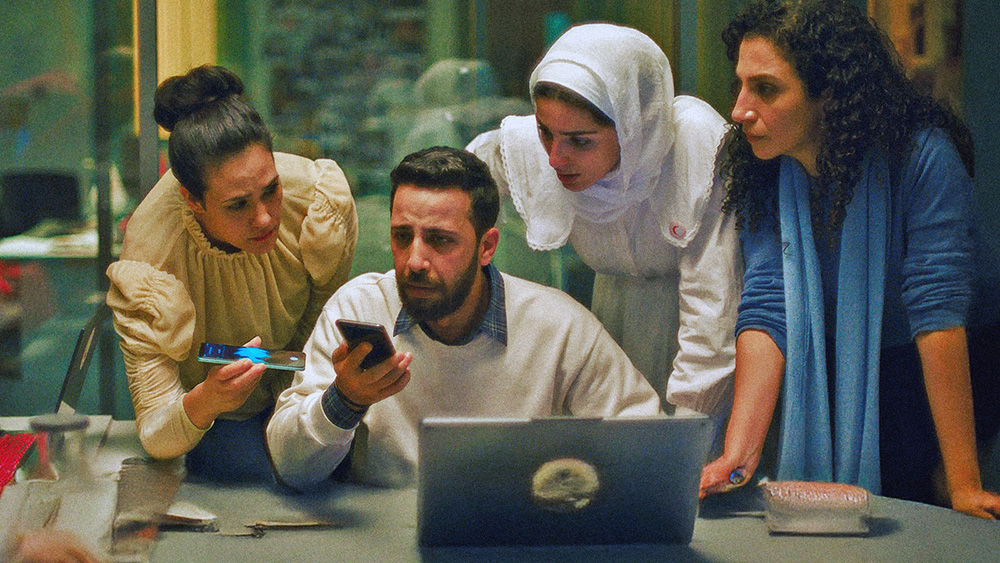
The buildup to the awards all centred on Kaouther Ben Hania’s emotive “The Voice of Hind Rajab,” a drama set in a Red Crescent Emergency Centre in Gaza, anchored by real audio of a distress call from the eponymous 6-year-old Palestinian girl caught in the crossfire from Israeli forces shelling the Gaza Strip. Playing on the second Wednesday of the festival, the film had critics in tears and received a record-setting 24-minute standing ovation at its premiere. In the end, the jury gave the film a Silver Lion for the Grand Jury Prize, effectively second place. Was it a compromise? Rumours swept social media that Brazilian actress Fernanda Torres had threatened to quit the jury if Ben Hania’s movie didn’t win the Golden Lion. At the final press conference, jury head Alexander Payne said “not to believe everything we read online.”
But many will feel Payne didn’t want to give such a political and provocative film the top prize. The festival’s opening press conference saw the filmmaker, whose own movies are somewhat apolitical, steer clear of letting his opinions known on the ongoing crisis in Gaza. “Quite frankly, I feel a little bit unprepared for that question,” he said. “I’m here to judge and talk about cinema.”
The Streamers Show Up
It was a good year for the disruptors, you might say. MUBI shook off its recent controversies (when film industry professionals vocally rounded on the company for its ties to an investment company with links to the Israeli military) to emerge triumphant, with the streaming company backing Jim Jarmusch’s Golden Lion-winning “Father Mother Sister Brother.” Other well-reviewed titles held by MUBI included Paolo Sorrentino’s festival-opener “La Grazia,” which saw Toni Servillo take Best Actor, and Park Chan-wook’s much-admired workplace satire, “No Other Choice,” a loose take on Donald Westlake’s novel “The Ax.”
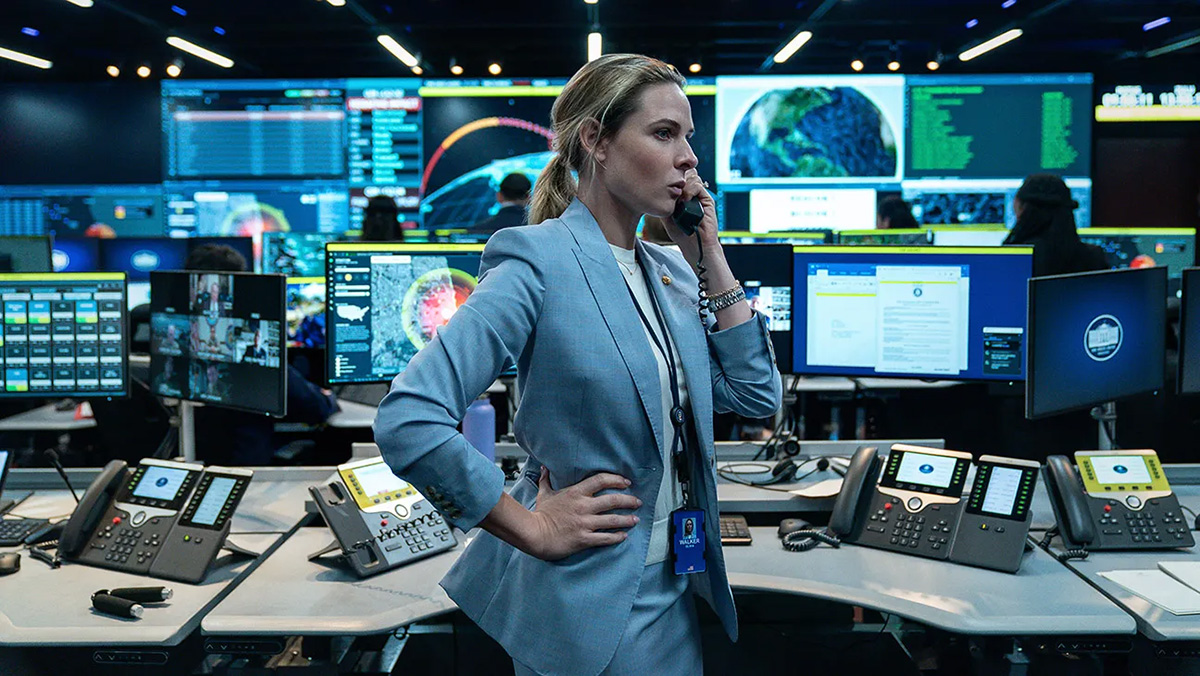
This being Venice, Netflix was also on the ground. Unlike Cannes – where films competing for the Palme d’Or must receive a theatrical release, thereby clashing with Netflix’s online-first model – the streamer has found a reliable home at the Mostra. For theatrical distributors, that means Venice is increasingly a launchpad where streamer-backed films not only flex their awards ambitions but also test their big-screen potential — a shift that underscores how the boundaries between cinema and streaming are blurring. This year, Netflix brought Guillermo del Toro’s sumptuous “Frankenstein,” starring Oscar Isaac and Jacob Elordi. Noah Baumbach’s indulgent “Jay Kelly,” featuring George Clooney as a movie star in crisis, also played. And then there was Kathryn Bigelow’s urgent nuclear thriller “A House of Dynamite,” a Rashomon-style look at the sheer panic that occurs across 18 minutes when a missile is launched against the U.S.
All three prestige titles will receive theatrical releases during their October and November roll-outs, partly to qualify for awards season, partly to satisfy the big screen ambitions of the filmmakers. But it’s a compromise worth making when filmmakers like Bigelow and del Toro get to realise their visions. Also screening on the Lido was Luca Guadagnino’s “After the Hunt,” a Yale-set tale of sexual abuse that will also open the New York Film Festival in October. Backed by Amazon-MGM Studios, it’s the first film from the company to be released by Sony Pictures International Releasing, following the conclusion of a three-year deal with Warner Bros. With tech giant Amazon holding the reins, a new era begins.
The Awards Season Starts Here – Sort Of
Traditionally, the autumn festival season marks the start of the relentless awards campaign that won’t close until the 2026 Academy Awards. Venice has long served as a crucial launchpad — think “Poor Things”, “Joker” and “Nomadland” — offering distributors a red-carpet runway to build buzz. This year, however, the lineup didn’t deliver an obvious frontrunner, leaving awards strategists and theatrical marketers alike to parse which titles might actually have legs with voters and audiences.
No doubt, del Toro’s beautifully crafted “Frankenstein” will be in line for some technical awards, though it’s hard to see it replicating the success of the director’s 2017 film “The Shape of Water,” which went from Golden Lion to Best Picture Oscar winner.
Despite going unrewarded in Venice, Bigelow’s nuclear thriller, “A House of Dynamite,” will surely be in the mix, particularly for the screenplay by Noah Oppenheim. As for performances, Julia Roberts’ philosophy academic in “After the Hunt,” could see her Oscar nominated for only the second time, following her win for “Erin Brockovich.”
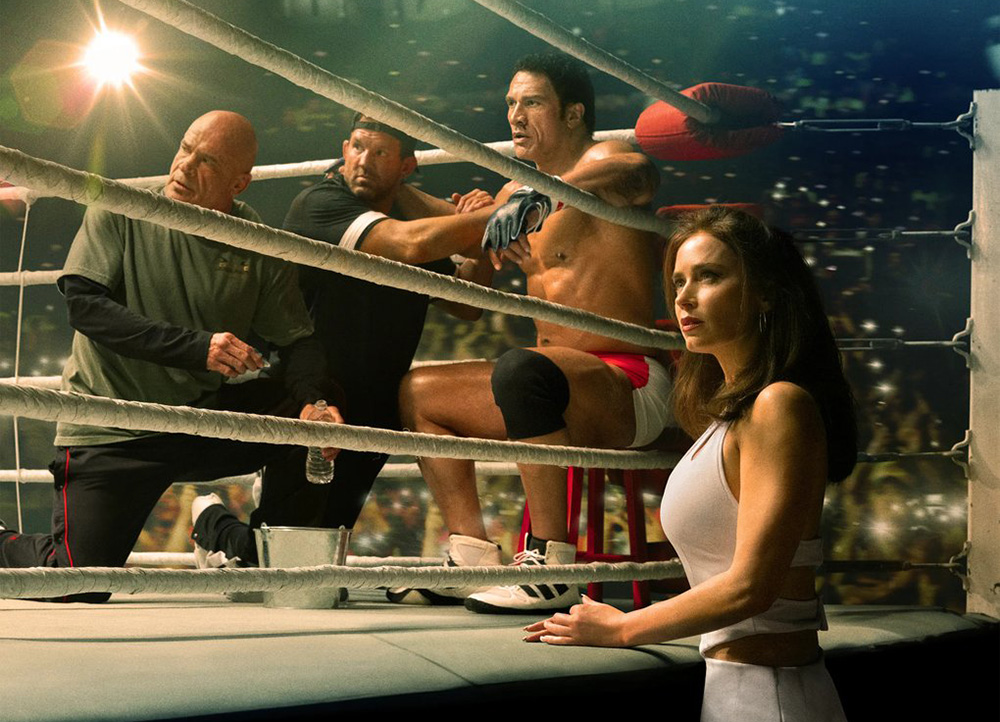
Perhaps the most exciting contender to emerge from the Venice selection was Benny Safdie’s “The Smashing Machine,” his low-key tale of UFC competitor Mark Kerr. In his first solo film away from brother Josh, Safdie took Best Director at the festival, putting him clearly in the frame this awards season. Likewise, Dwayne Johnson’s performance as Kerr was already generating awards buzz, and you can imagine the former wrestler turned blockbuster star will hit the awards campaign trail hard this winter in the hope of gaining his first Academy nomination.
Young Performers Shine
The Venice Film Festival has notably been a festival that shines a spotlight on younger talent. The Marcello Mastroianni Award, established in 1998 to pay tribute to the legendary Italian star, who died two years prior, has since recognised some of world cinema’s finest emerging actors. Among them, Jennifer Lawrence, Diego Luna, Paula Beer and Tye Sheridan. This year, the award went to Luna Wedler, the 25-year-old Swiss actress (known for Netflix show “Biohackers”) who gave a memorable turn in Ildikó Enyedi’s competition entry “Silent Friend,” playing a young pioneering academic battling the ingrained sexism of her university in the early 1900s.
Yet, she was hardly alone this year, with several other standout turns from young performers. Set in 1957 Budapest, shortly after the failed anti-Soviet uprising, László Nemes’s “Orphan,” told the story of a young Jewish boy, Andor, in thrall to his late father, deported in 1944 and never seen again. Playing the boy was the hugely impressive Bojtorján Barabas, making his screen debut here and holding the screen with a mesmerising performance.

For sheer cheek, it was also hard to look past Lucrezia Guglielmino, who played the titular 7-year-old in Carolina Cavalli’s off-kilter Italian road movie “The Kidnapping of Arabella.” Unspooling in the Horizons category, this deadpan comedy-drama won the strand’s Best Actress prize for Italian actress Benedetta Porcaroli, who plays Holly, the woman that sort-of kidnaps Arabella. But in truth, it was Guglielmino that lingered longest in the memory.
Meanwhile, playing in the Critics’ Week sidebar, British-made film “Ish” showcased remarkable turns from two performers who had never been on camera before. Farhan Hasnat and Yahya Kitana play, respectively, the Muslim-raised Ish and his older friend, Maram, dubbed “the Palestinian boy” by Ish’s grandmother. Living in Luton, the two are subjected to racial profiling in a story directed by first-time filmmaker Imran Perretta, who co-scripted with esteemed playwright Enda Walsh. But, as highlighted by Hasnat and Kitana’s agile turns, it’s far more a story about the awkward nature of adolescence and our need for community.
Asian Aces in the Hole
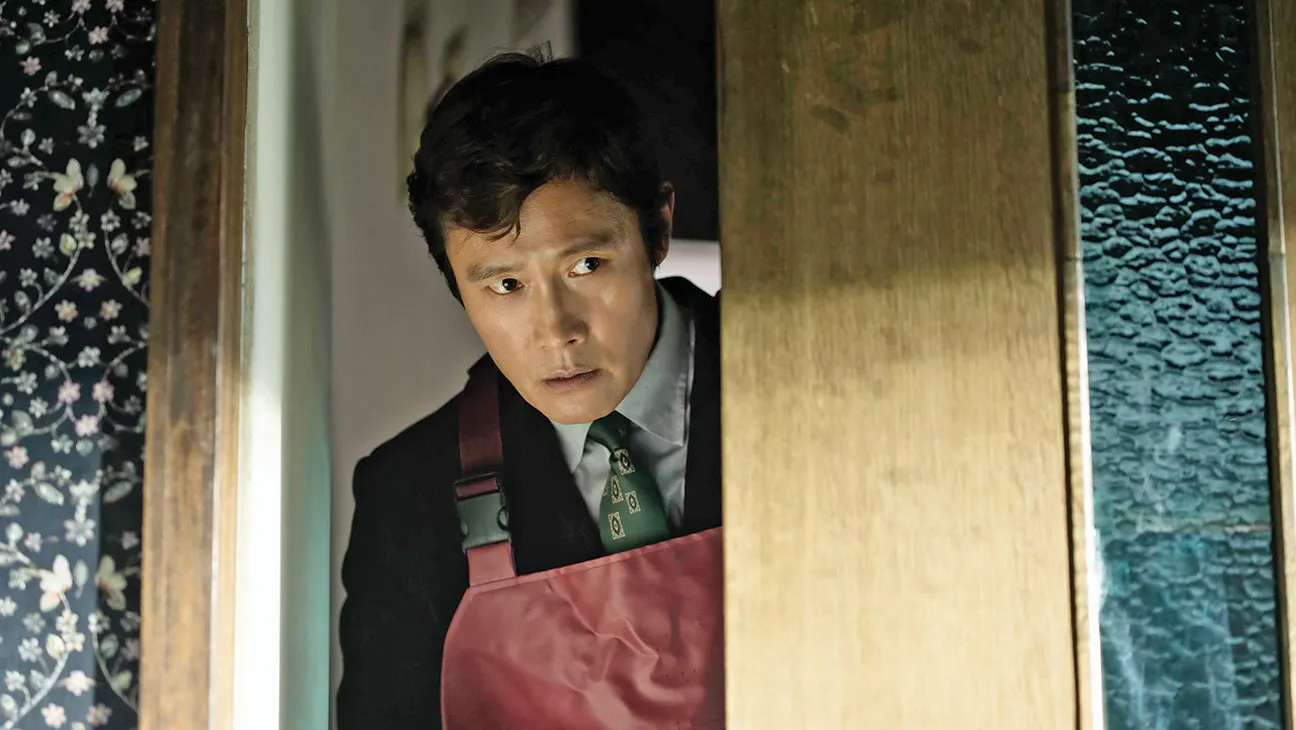
Any festival is always a way of taking the temperature of world cinema, and this year Venice showed just how firmly Asia – albeit a rather large continent – remains in the conversation. For international distributors and exhibitors, the strong slate from South Korea, China, Thailand and Japan was a reminder that these markets aren’t just export engines but also fertile sources of prestige titles that can travel. The most high-profile was South Korean auteur Park Chan-wook’s “No Other Choice,” his first film since 2019’s “Decision to Leave.” Starring Lee Byung-hun – his first feature with Park since the director’s debut “Joint Security Area” twenty five years ago – this sly workplace comedy further reinforces the strength of Korean cinema at the moment.
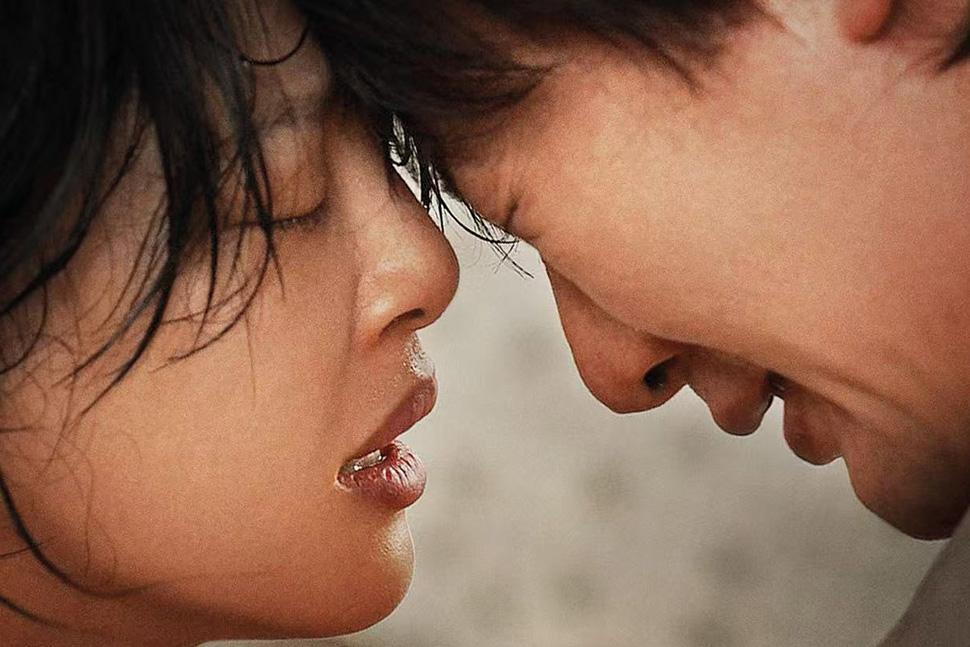
Meanwhile, one of the jury’s best decisions was to award actress Xin Zhilei the Best Actress prize for China’s competition entry “The Sun Rises On Us All.” Playing the pregnant owner of a fashion retail business whose life is upended when she is faced with a lover from her past, Xin’s performance was a note-perfect look at guilt and sacrifice. Directed by Sixth Generation filmmaker, Cai Shangjun, in only his fourth film, it was an accomplished, mature work.
Intriguingly, Xin’s character was somewhat echoed in the Thai film “Human Resource,” which landed in the Horizons sidebar. Written and directed by Nawapol Thamrongrattanarit (2015’s “Heart Attack”), Prapamonton Eiamchan plays Fren, a newly-pregnant employee working in the soul-sapping HR department of a Bangkok corporation. With its sombre look at workplace culture, it would make for an interesting double bill with Park’s “No Other Choice.”
There were disappointments, notably “Scarlett,” the new animation from Japanese auteur Mamoru Hosoda, whose 2018 film “Mirai” went on to gain an Oscar nomination. This gender-flipped “Hamlet”-inspired fantasy, set in a Dante-like purgatory, was an earnest call for peace, belaboured by thunderous sound design. And it never quite struck the right tone. But for the most part the Asian entries in Venice this year were spot-on.
Venice 2025 was less about a single coronation than a shifting landscape. Streamers cemented their role as kingmakers, Asia delivered some of the festival’s strongest titles, a new generation of actors broke through, and the awards-season machine revved to life — even if the year’s Oscar juggernaut wasn’t immediately clear. Above it all, the Golden Lion upset reminded us why festivals matter: for all the speculation, glamour and industry jockeying, the final word can still leave the Lido stunned.
- Venice 2026: Defiant Documentaries, Female Filmmakers and a Scaled-Back Studio Offering - September 17, 2026
- How the Mediterrane Film Festival in Malta Is Putting the Island on the Map for Filmmakers - July 10, 2026
- Can Direct-to-Audience Distribution Give Indie Films a New Path to Theatres? - June 18, 2026