


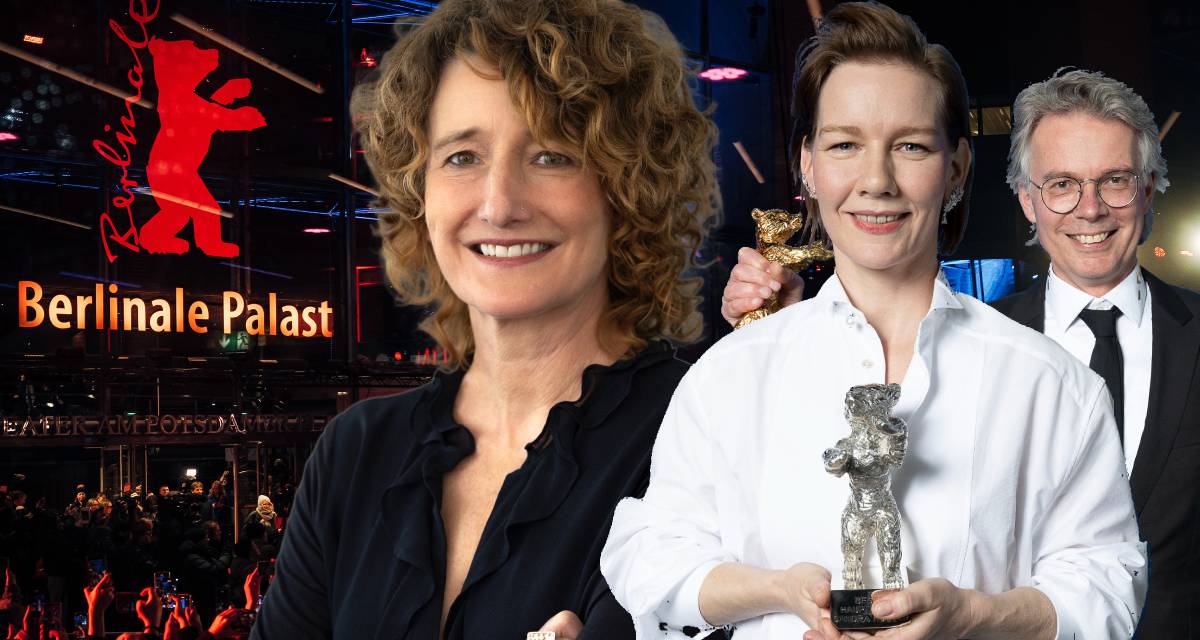
With near Arctic conditions leaving Berlin covered in a blanket of snow and ice, the 76th Berlin Film Festival took place between 12th and 22nd February. But the chill winds really came from another direction, as a controversy-tinged festival saw organisers plunged into geopolitical debates. As festival head Tricia Tuttle delivered her second full line-up, an engaging selection that spanned the main competition and multiple sidebars, we reflect on five hot topics from this year’s Berlinale.
The Calendar’s Most Political Festival Heated Up
Berlin has always been known for its passionate selection of politically-oriented movies. Yet things all blew up on the first day at the jury press conference, when a journalist asked a question about the festival’s stance on Gaza. Jury president, filmmaker Wim Wenders, replied that filmmakers “have to stay out of politics because if we make movies that are dedicatedly political, we enter the field of politics.”
It was a triggering statement for Booker Prize-winning Indian author Arundhati Roy, who was due to present the 1989 campus comedy “In Which Annie Gives It Those Ones,” which she wrote and was set to be screened as part of the Classics section. Pulling out of the festival, Roy called the “unconscionable” statements “jaw-dropping,” adding, “What has happened in Gaza, what continues to happen, is a genocide of the Palestinian people by the State of Israel.”
It left the festival with a firefight on its hands, as Tuttle was forced to come out with a statement, remarking “artists should not be expected to speak on every political issue raised to them”. As a result, more than 100 former Berlin alumni, including Tilda Swinton and Javier Bardem, signed an open letter accusing the Berlinale of “censoring artists who oppose Israel’s ongoing genocide against Palestinians in Gaza and the German state’s key role in enabling it.”
Two years ago, the festival was accused of censoring filmmakers who took to the stage to voice opinions about Palestine. Evidently distressed by this furore overriding her team’s tireless work, Tuttle later pointed out to The Hollywood Reporter: “There has also been, for two years, a campaign that takes truths, or half-truths, about the Berlinale and weaponizes these half-truths to try to make a point and provoke conversation and statements.” You can expect this to rumble on.
German and Austrian Films Had a Strong Showing
All hail the German revolution. This year saw the return of German director İlker Çatak, who premiered his film “The Teacher’s Lounge” at the festival three years ago, before it went on to gain an Academy Award nomination for Best International Feature in 2024. This time, he delivered “Yellow Letters” – and walked away with the Golden Bear, marking the first time a German film had taken the top prize since Fatih Akin’s “Head-On” in 2004. The story of a left-of-centre Turkish couple living in Ankara, whose lives come under scrutiny from the state, “Yellow Letters” certainly struck a chord with the jury. “We saw your film as a terrifying premonition, a look into the near future that could happen in our countries as well,” noted jury head Wenders.
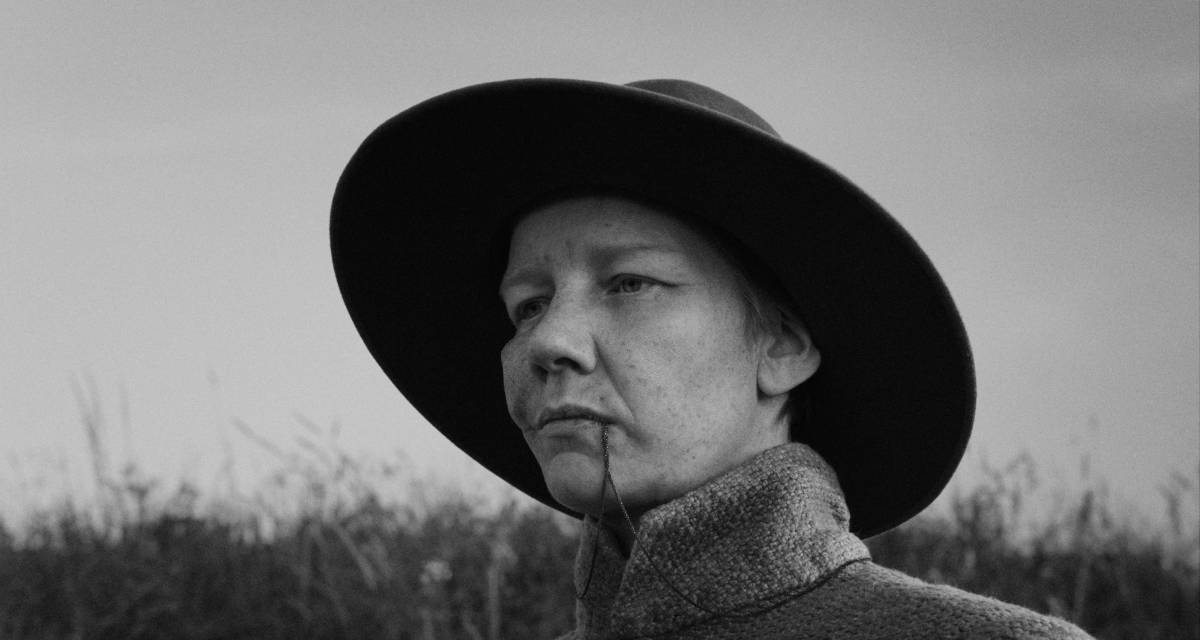
While “Yellow Letters” was warmly accepted by reviewers, the critical favourite was surely “Rose,” which was top of the grid in Screen International’s grading of the competition films, as voted for by a selection of key critics. The film comes directed by Markus Schleinzer, who first came to attention with his 2011 debut “Michael,” inspired by the real story of a child molester. Likewise, the black-and-white historical drama “Rose” is a story built out from reality – based on several accounts of 17th century women who passed themselves off as men. Sandra Hüller, who starred in two of the great films of 2023, “The Zone of Interest” and “Anatomy of a Fall,” was superb as the title character – and duly won the Silver Bear for Best Leading Performance, playing a woman who disguises herself as a man and returns to a village to lay claim to a dilapidated farmstead.
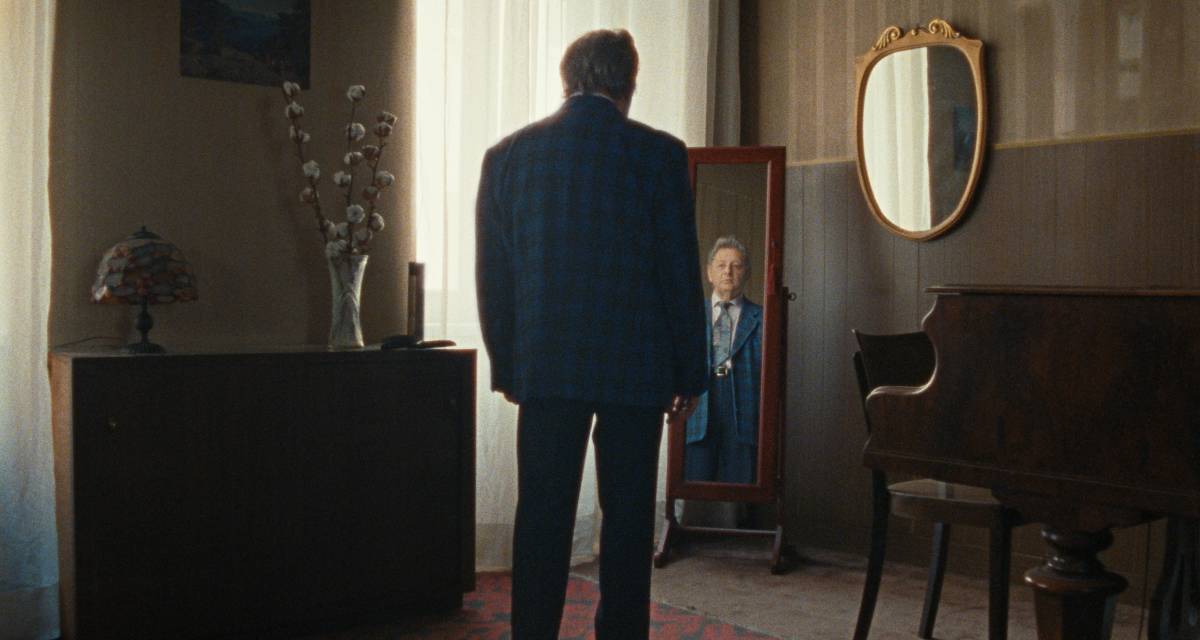
Towards the end of the second week arrived “The Loneliest Man in Town,” a Vienna-set story co-directed by Tizza Covi and Rainer Frimmel. A droll comedy-drama, it told the story of an aging man living alone in a building that is in the process of being demolished. Played by real blues guitarist Alois Koch (stage name Al Cook), who is effectively playing a version of himself, in a story that cunningly skates between documentary and fiction, our hero is forced to reassess his life – and reaffirms his dream of playing the blues in the Mississippi Delta.
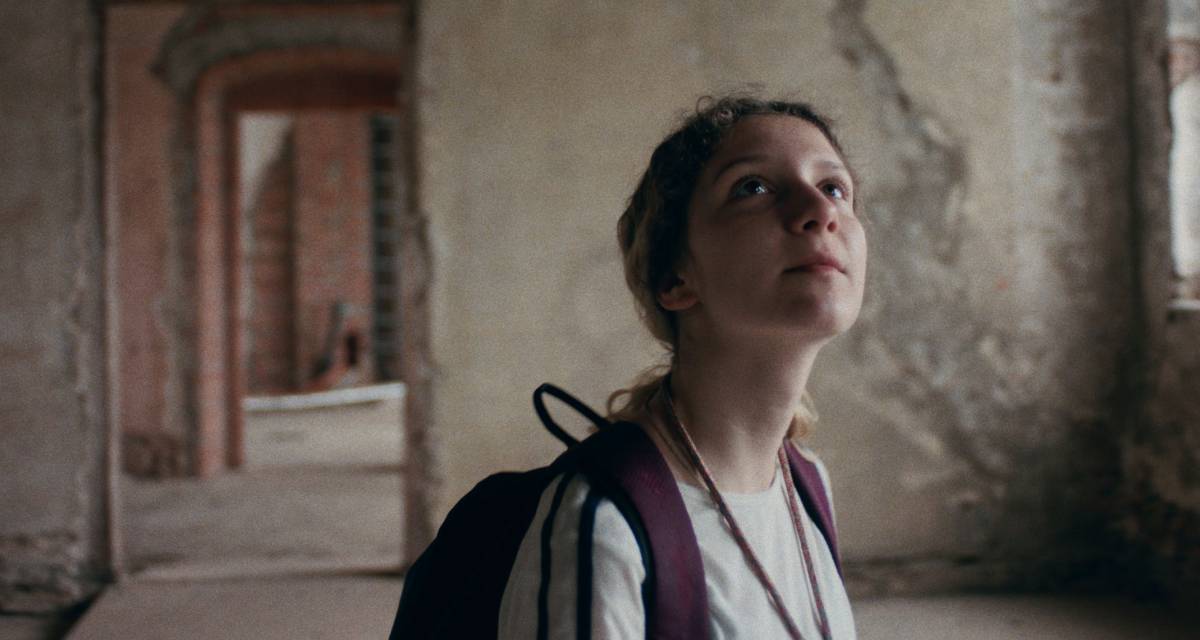
The only disappointment was “Home Stories”, by Eva Trobisch (“All Is Well”). Set in the southeastern town of Greiz in the Thuringia region of Germany, this multi-generational family portrait was somewhat scattershot. Largely focused on 16-year-old Lea (Frida Hornemann) who wins a place on a national TV show – something similar to “America’s Got Talent” – it never kept audience interest in the other strands of the story.
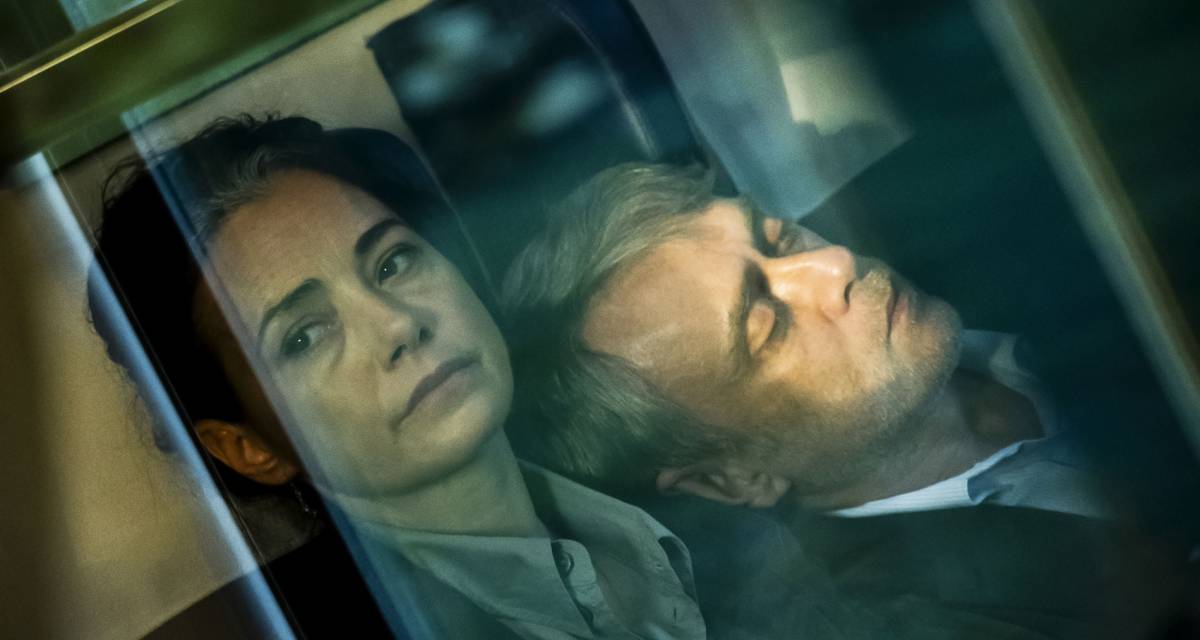
Beyond the main competition, the annual Face to Face event, held at the Ritz Carlton hotel, introduced new stars of German cinema. Among them, cinematographer Lotta Kilian, who shot the excellent Far Right legal drama “Prosecution” and Anna Roller, the director of “Allegro Pastell,” the story of a long-distance relationship, with both films screening in Panorama. In a festival where German movies often feel like they’re making up the numbers, this year was a good showing.
Sundance Shone
It can’t be easy programming a major film festival that arrives in February. Most directors, producers or production companies would, presumably, like to keep their powder dry in the hope they get selected for Cannes. And then the Berlinale often loses any American world premieres to Sundance, which unfurled in late January. Still this year, Berlin wisely didn’t ignore Sundance and was much stronger for it.
In competition, Beth de Araújo brought her wonderful drama “Josephine,” starring Channing Tatum and Gemma Chan as parents of the titular 8-year-old girl, who witnesses a sexual assault whilst out running in a park with her father. Scooping up two major awards in Sundance – the U.S. Dramatic Grand Jury Prize and the U.S. Dramatic Audience Award – the jury left it alone here, but it surely will re-appear in the awards season that kicks off next autumn.
In the Berlinale Special Gala section, Padraic McKinley’s “The Weight” also screened after its Sundance unveiling, bringing Ethan Hawke back to the festival for the second year in a row after his (now Oscar-nominated) turn in “Blue Moon.” A scorching Oregon-set survivalist drama, “The Weight” casts Hawke as a father sent to a labour camp who undertakes a perilous journey to reunite with his daughter. In the same strand, Noah Segan’s faultless indie “The Only Living Pickpocket in New York” was also selected, starring John Turturro as a light-fingered thief who works the streets to keep him, and his gravely ill wife, afloat.
And Berlin didn’t miss out on the chance to bring British musician Charli XCX to the festival with her mock-documentary “The Moment,” directed by Aidan Zamiri. Playing in Panorama after the film first screened in Sundance, this swipe at Charli’s own success with her “Brat” album was undeniably one of the festival’s hot tickets. The queue to get into the press conference alone ran the length of the Hyatt hotel, where much of the festival’s activities take place.
EFM Activity, As Buyers Remained Bullish
Just a few hundred metres from the Berlinale Palast, the European Film Market got underway between 12th and 18th February. Situated in the enormous Gropius Bau, Tuttle called this hive of activity “a must-attend market [that brings] tens of thousands of professionals from over 130 countries to Berlin during the festival each year.” Insiders predicted this could be the busiest market since the Covid pandemic, with a 5% increase in participants, as more than 12,500 film professionals attended and 606 films were screened. As the buyers pitched up early, hot titles included StudioCanal’s “The Custom Of The Country,” starring Sydney Sweeney, and mk2’s “Fonda,” starring Mia Goth and Andrew Scott – which marks the new film from “Anatomy of a Fall” writer/director Justine Triet.
This year also included several innovations, including the first edition of EFM Animation Days, a three-day programme designed to bring together creatives, producers, financiers and studios from the animation universe to pitch and network. Meanwhile, EFM Beyond was established to bring together film, animation, gaming and other sectors for workshops and networking. The inaugural Berlinale Film School Summit was also launched, bringing together producers and directors from the top international film schools for a summit that allowed them to exchange ideas and meet peers from around the globe.
The Future Remains Uncertain
Despite all of the positives in the EFM and the official selection, there was a cloud hovering. Before this year’s Berlinale began, Tuttle sounded a warning bell. Speaking to the Berlin Senate’s committee for Federal and European Affairs, she suggested that while the budget was in good shape for the 2026, next year and beyond was more muddied. “We will almost certainly have to think about cost-cutting in 2027 and 2028,” she stated. Like any good festival, the Berlinale has been seeking sponsorship and partners to stem any chance of future budget cuts. As Tuttle told the Berlin Senate, “We are not sitting back and waiting for you to hand us money.” But, of course, in this fragile time for cinemas, it would be disheartening if one of the major festivals in the calendar was forced to cut back.
- Berlinale 2026: Political Strife, Homegrown Success Stories and An Uncertain Future - February 25, 2026
- Pearl & Dean Partner Emirates with Everyman for a First-Class Experience - February 5, 2026
- A Complete Service: Trafalgar Releasing’s End-to-End Offering - December 5, 2025