


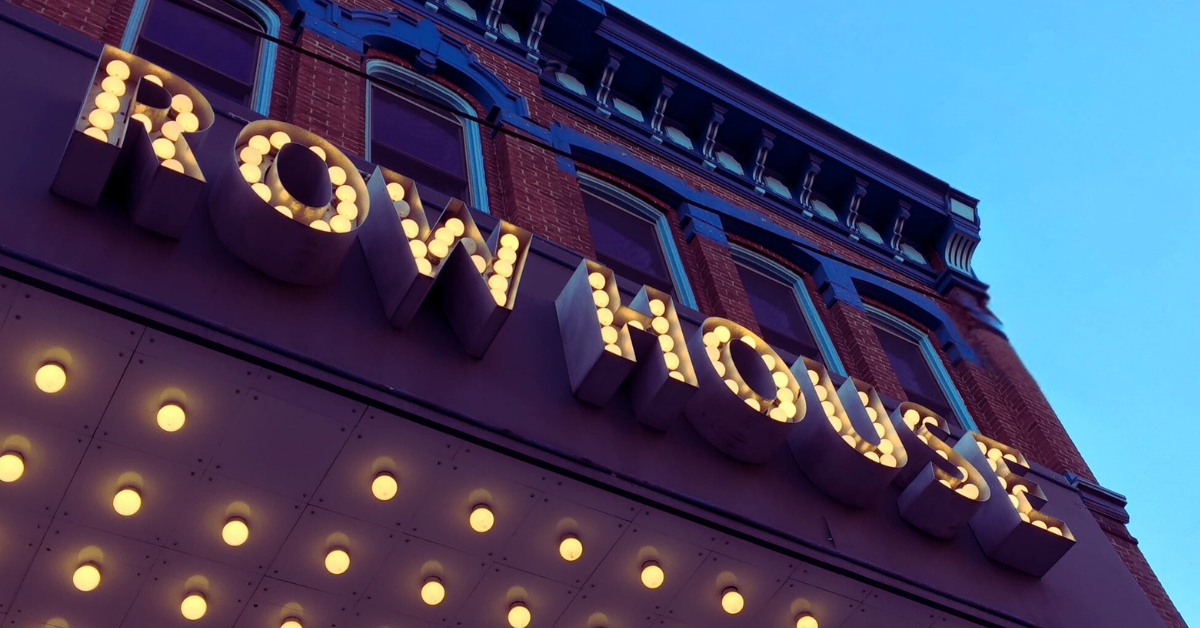
The state of Pennsylvania is not necessarily the first place one conjures when thinking of repertory cinema, but for over a decade the Row House Cinema on Butler Street in Pittsburgh’s Lawrenceville neighborhood has thrived. This is mostly due to the care and curation of the theatre’s owner / founder Brian Mendelssohn, who began his career in historical preservation.
“It started as a joke: Wouldn’t it be fun to open a movie theatre in our neighborhood?” recalled Mendelssohn when he sat down to speak with Celluloid Junkie. “Movie theatres are essential to a community. Whenever I travel to a small town, I judge it by whether it has a hotel and a movie theatre. When it dawned on me that my own town didn’t have a movie theatre, I said, ‘Oh, that would be fun.’ That was 12 years ago, and now we’re opening our second location.”
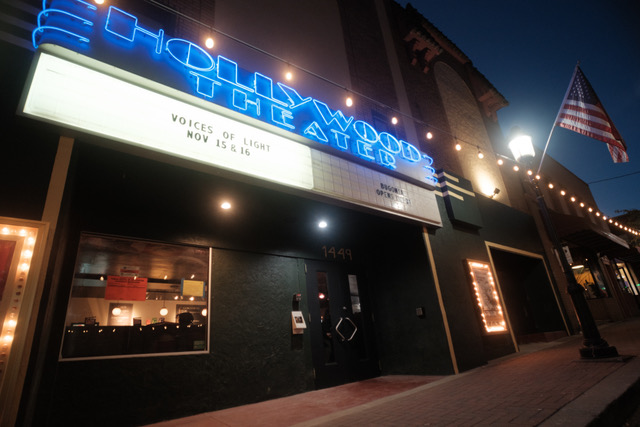
That second location on Potomac Avenue in the residential suburb of Dormont is roughly a 20-minute drive away from the first Row House Cinema, with an interior inspired by the German expressionist sci-fi classic, “Metropolis.” As it happened, that was the first movie played during the grand opening held on November 6, which was appropriate since the same building was the previous home of the historic Hollywood theatre built in 1926, the year before Fritz Lang’s silent classic opened.
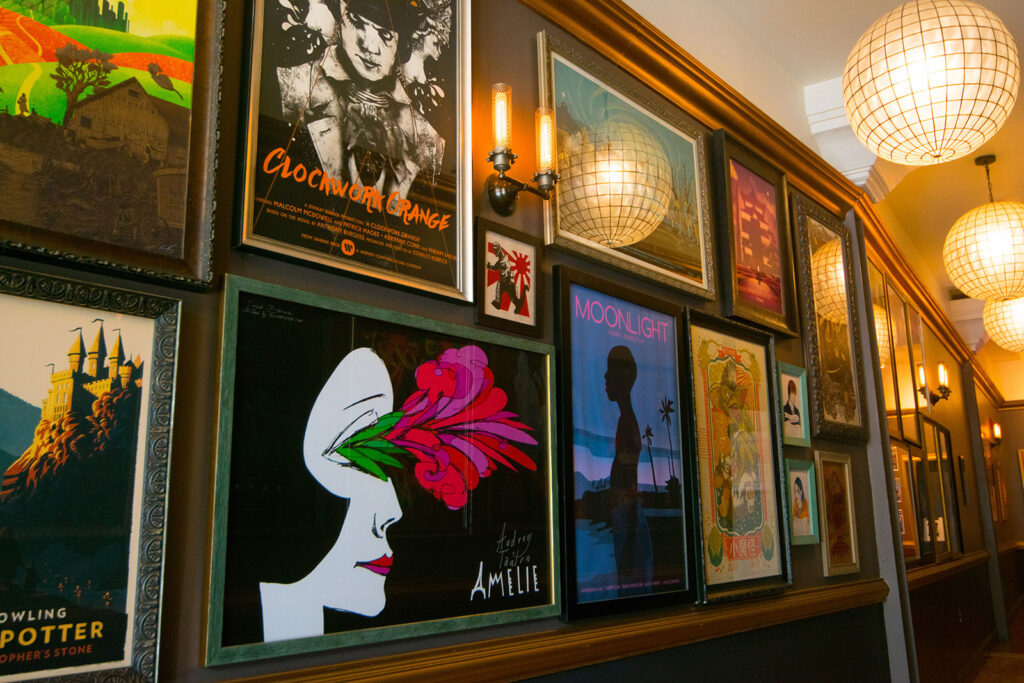
“When you walk into this theatre, you should say, ‘Wow,’” Mendelssohn remarked. “‘Metropolis’ is in the public domain now, so we have that amazing Art Deco futurism style that we could incorporate into this building, almost so people walk in thinking this is how it was originally built, even though it’s not. The size of our screen, the view, the atmosphere… You don’t get that at a normal multiplex. That is the last piece of the puzzle of what’s helping us connect with people, because it’s different and better.”
Renovations on the former Hollywood theatre began in 2023, after the flagship Row House Cinema had made it out the other side of the COVID-19 pandemic which caused it to temporarily close its doors like many other theatres across the country. Since reopening many chains have faced hardships as audiences grew accustomed to streaming content and shorter theatrical windows for new releases. Since Row House was a single screen movie theatre, Mendelssohn was smart enough to realize he could not survive solely on content he had no control over, and which often came with a mandatory minimum number of weeks it had to play.
“I saw a system that was designed for a single screen movie theatre to fail,” he said. “Historically, that was done intentionally to benefit the multiplexes. To avoid all that meant turning to a repertory model. We have over 100 years of movies to choose from, thousands and thousands of amazing titles out there from around the world. That seemed more exciting to me as my product than “Zootopia 12” or whatever the studio chooses to put out and forces me to show.”
Over the last decade Row House thrived off showcasing genre-heavy cult fare like “Akira,” “Brazil,” or “Donnie Darko,” while also being willing to showcase something less contemporary like a Spencer Tracy marathon. The first theatre averages around 250 movies per year, often with multiple showings of each title on the single screen. While he chooses his words carefully, Mendelssohn describes the tastes of his patrons as slightly “immature,” as with the phenomenal success of the absurd slapstick indie film “Hundreds of Beavers” which was “selling out in seconds.”
Escaping the Limitations of the Single-Screen System
Besides having 35mm and 70mm screening capabilities, the new Dormont location will allow the owner to dip his toe into the previously choppy waters of new releases like “Bugonia” and “Wicked: For Good.” This is all thanks to a secret weapon: the small micro cinema located in the basement, which will allow Row House to contend with clean screen requirements and move-over titles. In other words, if the cinemas are contracted to show “Wicked: For Good” for X-number of weeks but audiences are not showing up, they simply vanquish it to the basement and put something more enticing into their main 389-seat “atmospheric movie palace.” The micro cinema could also be a venue for more esoteric fare, as with the 20-seat Video Archives Cinema Club in Quentin Tarantino’s LA-based Vista theatre.
Said Mendelssohn, “Our intention with new releases is to try to see these movies at festivals ahead of time and treat [Row House] like a repertory cinema where we’ll show you a new release if we got to see it ahead of time. We’re not going to be obligated to show everything studios want us to show… We’re going to be the ones deciding what we want to show.”
A Community Space, Not a Living Room
While known for its immaculate programming curation, including festivals and special events with live musical accompaniment, the original Row House Cinema in Lawrenceville also has a connected taproom called Bierport. The new Dormont location also combines basic movie theatre concessions (candy, soda, pretzels) with bar food (tavern style pizzas, fried offerings) and alcoholic beverages, plus a selection of local concessions. Although these items can be taken into the theatre for the show, there are no tables and wait staff as you would see at fork-and-screen operations like Alamo Drafthouse.
“We kept our dining bar area as a separate part of the building so it’s more of a before-and-after conversational hangout place, as opposed to part of the movie watching experience,” he explained. “Recliners and food to your seat and tables and wait staff, that’s great. It’s like recreating the living room in your movie theatre… but not the direction we’re going to go. We’re going the exact opposite direction. We actually have smaller seats, low back seats. They’re not rockers. It’s more of an old-fashioned philosophy of bringing people together. If you want the living room experience, all the other movie theatres are going that direction, or just stay in your living room. If my competition isn’t AMC or Cinemark, my competition is getting someone off their couch and out to the theatre to spend money so they could go out for a night. Part of entertainment is being in close proximity to other movie patrons. The fuller the theatre, the more exciting it is. The more laughing, the more crying, the more jump-scares. That energy is what gives the experience the magic that we’re going for.”
How well is the Row House model working? This year they claim to have sold 60% more tickets than the last pre-pandemic year of 2019. They chalk it up to being able to build an experience no other theatre in the region could provide. While they have the ability to project film prints, and to sell quality food, alcohol, and curated movies, it is not one element that brings people back again and again… it’s the whole package.
“Pittsburgh is a little underserved,” observed Mendelssohn. “The theatres here are a little more generic. We don’t have a [famous independent arthouse cinemas] Brattle, or a Music Box. You’re choosing from the big players out in the suburbs, and there’s a couple of old theatres, but they’re not special. We’ve been around for 11 years now, and we’ve cultivated an audience, but with this new theatre we’ll be able to take that to a real level and put Pittsburgh on the map as one of those 20 theatres around the country that we all know and love. We’re hoping to become iconic like that.”
While putting together the new Row House location was a renovation ordeal that took several years of planning and implementing, Brian Mendelssohn is not opposed to future franchising of his brand in other cities bereft of an independent movie theatre… although he is not sure “how much more Pittsburgh can handle.”
“We treat this place as an entertainment destination, where it’s a good night out, and that’s our philosophy,” he concluded. “We have to sell ourselves. We have to sell the experience, and that’s our focus.”

- Row House is Rep Cinema in a League of Its Own - November 26, 2025