


- Distributors
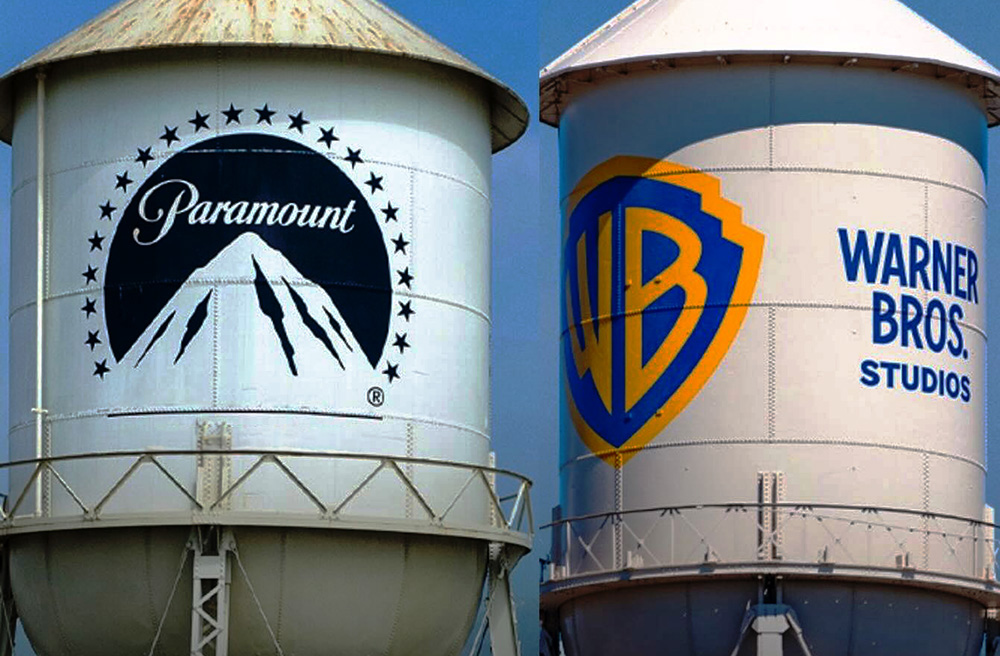
It has been a whiplash week for Paramount’s USD $111 billion bid for Warner Bros. Discovery: Brussels said yes, European exhibitors said not so fast, and a U.S. federal judge made sure nothing is closing anytime soon. There’s too much here to untangle in one digest, so consider this the current state of play. The European Commission approved the merger after Paramount agreed to exit United International Pictures, its joint venture with Universal, within 13 months of closing, and avoid any new joint EEA distribution arrangement with Universal for a decade. Worth remembering: Brussels examined a narrower market structure than the one under the microscope in the U.S., and its review did not encompass the same broadcast, cable, news and theatrical concentration questions central to the American case.
That narrower scope didn’t sit well with exhibitors. UNIC criticized the Commission for treating UIP as the whole story, arguing that removing Paramount does little to address what happens when two major film suppliers combine—output, diversity, negotiating leverage, contractual practices and access to content remain live concerns for European circuits. UNIC also noted that first-half 2026 EMEA box office ran 21% ahead of last year, a reminder that Europe’s recovering theatrical market deserves broader scrutiny before its supplier base is consolidated. The theatrical window featured prominently in UNIC’s argument, though it wasn’t part of the legal basis for either the European approval or U.S. court order—worth keeping those arguments in separate lanes.
Stateside, the deal remains stuck. A federal judge extended the temporary restraining order blocking closing while state attorneys general pursue their antitrust suit, having already found the states made a “strong showing” the merger could harm competition. Rather than keep fighting for the extensive preliminary-injunction hearing it wanted—witnesses included—Paramount pivoted, proposing to skip that fight and head straight to trial.
The company and the states have agreed that the deal will remain on hold while litigation proceeds, potentially through June 2027. That comes at a cost: Paramount reportedly owes Warner Bros. Discovery shareholders USD $650 million per quarter starting in October, plus a possible USD $7 billion breakup fee if regulators kill it outright. Paramount wants a November trial; the states are angling for 2027. One law professor described the move as waving “a very, very small white flag.” Paramount, unsurprisingly, called it a “significant win.” Both can be true; Paramount may genuinely believe trial is now its fastest route forward, but that preference only became obvious once the faster ones started closing around it.
Celluloid Junkie will return with a deeper look at why American and European regulators are treating the same transaction so differently—and what each approach may be missing.