


- Distributors
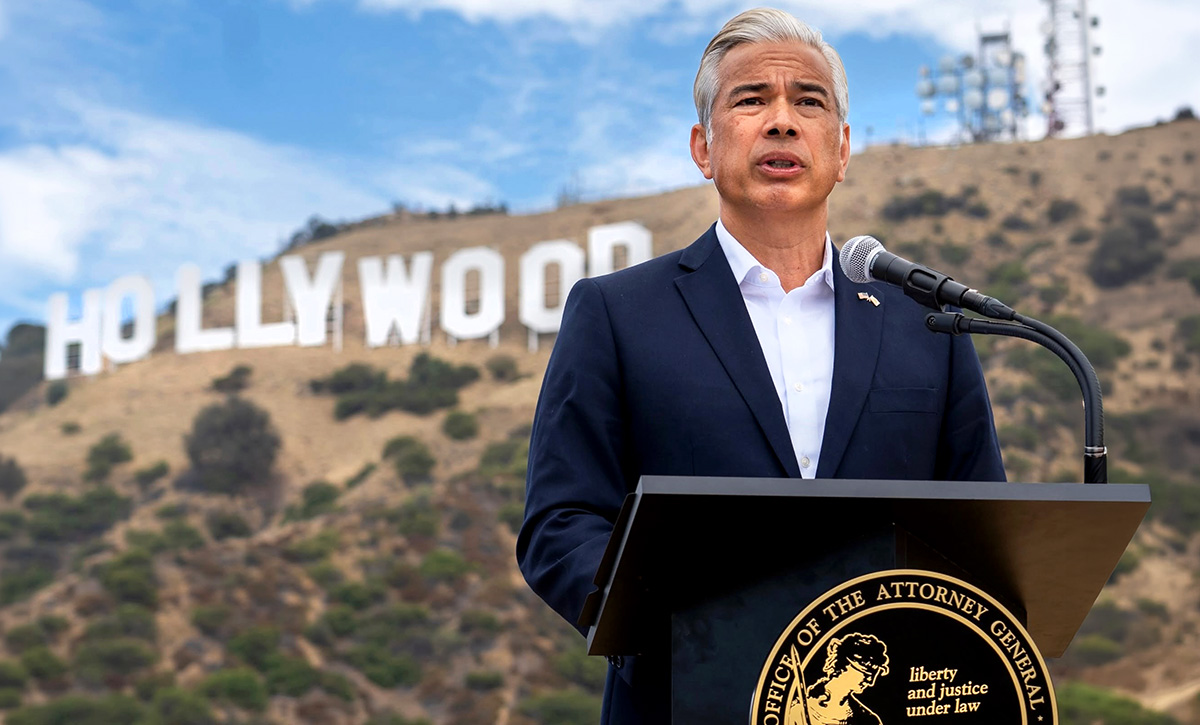
A federal judge has temporarily halted Paramount Skydance’s USD $110 billion acquisition of Warner Bros. Discovery, handing 12 state attorneys general their first victory in a lawsuit seeking to block the deal. U.S. District Judge Araceli Martínez-Olguín imposed a 14-day temporary restraining order through 3 August, when she will consider whether to keep the transaction frozen while the antitrust case proceeds. The states argue that combining two of Hollywood’s five remaining major studios would give the new company 27% of wide-release theatrical distribution and 30% of anticipated blockbusters, increasing its leverage over film rental terms, release dates and access to the most desirable screens.
Paramount insists the lawsuit ignores the modern entertainment marketplace and will ultimately benefit the very big tech companies the states claim to be challenging. The company points to approvals or expired waiting periods in 24 international jurisdictions and argues that the merger will create a better-capitalized competitor to Netflix, Amazon and other global platforms. Paramount Skydance CEO David Ellison has also promised at least 30 films annually for full theatrical release with minimum 45-day windows. That sounds reassuring to exhibitors, but a non-binding output promise is not the same as preserving competition between two independent suppliers. More movies from one enormous distributor may fill the calendar, yet it also leaves cinemas negotiating with one fewer studio when the serious discussions about screens, dates and percentages begin.
The deal is also stuck in regulatory traffic overseas. Britain’s culture secretary, Lisa Nandy, has indicated that she is minded to refer the acquisition for further examination by Ofcom and the Competition and Markets Authority on public-interest grounds, while Parliament’s summer recess could leave the process unresolved until at least 1 September. Meanwhile, every additional delay is expensive: Paramount faces approximately USD $650 million in quarterly ticking fees if the transaction remains unclosed after 30 September.
Just as striking is who has not joined the states’ case. Kansas is home to AMC Theatres, Texas to Cinemark and Alamo Drafthouse, Wisconsin to Marcus Theatres and Missouri to B&B Theatres. Those circuits represent an enormous share of American exhibition, yet their home-state attorneys general are leaving California and its partners to challenge a merger allegedly threatening exhibitors’ bargaining power. Apparently, antitrust concern has its own release pattern—and several of the industry’s biggest home markets have chosen not to book it.